Reviewed · SYDNEY TOURS
Flying Fox Experience, Thousands of Australia’s Largest Bat
Thousands of flying foxes can turn an ordinary Sydney morning into a remarkable wildlife encounter. At the reserve, you may see Australia’s largest bats resting, calling, climbing, and launching into the air with wingspans reaching about three feet. Guide Dave brings the colony into focus with facts, binoculars, and high-zoom cameras.
I like the small group limit of 14, since Dave can spend time helping people use the equipment and answering questions. I also like the practical extras: bottled water, snacks, and shared photos that can be downloaded to your phone. The main consideration is that the experience depends on good weather, and the bats are wild animals, so activity levels can vary.
In This Review
- Key points to know before you book
- Why this Sydney bat outing is worth your morning
- Meeting Dave near Circular Quay at 10:00 am
- The drive from central Sydney to the bat reserve
- Meeting Australia’s largest bats at eye level
- Binoculars and high-zoom cameras make the difference
- What Dave adds to the experience
- Price, timing, and the question of value
- Who should book this flying fox experience
- Weather and cancellation details to keep in mind
- Is the Flying Fox Experience worth booking?
- FAQ
- Where does the Flying Fox Experience start?
- What time does the activity begin?
- How long does the experience last?
- Where does the tour end?
- How many people can join the experience?
- Are cameras and binoculars provided?
- What happens if the weather is poor?
Key points to know before you book
- Thousands of wild flying foxes: See a major colony of endangered Australian fruit bats in their natural setting.
- A camera is supplied: Use high-zoom cameras and binoculars, with help from Dave when needed.
- Dave leads the outing: He handles the driving, wildlife spotting, photography help, and explanations.
- Easy morning timing: Meet at 10:00 am near Circular Quay for an outing lasting about two and a half hours.
- Small-group feel: The maximum group size is 14, giving you more time to ask questions and get close to the equipment.
- Weather matters: Poor conditions can lead to a new date or a full refund.
Why this Sydney bat outing is worth your morning
Sydney is famous for its harbour, bridges, and beaches, but the city also has some wonderfully odd wildlife. The flying fox is one of the best examples. These are fruit bats, not the small insect-eating bats many people picture. They are large, social animals with leathery wings and expressive faces, and seeing hundreds or thousands together gives you a fresh view of urban Australia.
The colony is the star of the morning. You can get close enough for an eye-level look, then watch the bats shift around the trees, call to one another, and occasionally take flight. A few bats overhead are interesting. A mass of them moving together is something else entirely.
I especially like that this is not presented as a zoo visit. The animals are wild, and that changes the experience. You are watching a living colony in its own habitat, with all the unpredictability that brings. The bats may be very active in daylight, as they have been on past outings, but you should not expect every moment to produce a dramatic takeoff.
The educational side matters, too. Flying foxes help pollinate plants and spread seeds, and the guide explains why these endemic Australian animals are endangered. You come away with more than a set of unusual photographs. You understand why a bat colony matters and why its survival is worth protecting.
A few more Sydney half-days to weigh up
- Sydney: Opera House Guided Tour with Entrance Ticket
★ 4.8 · 8,312 reviews - All Inclusive Blue Mountain,Scenic World,Lunch,Koalas,ferry
★ 5.0 · 7,832 reviews - From Sydney: Blue Mountains Full-Day Trip
★ 4.5 · 4,471 reviews
Meeting Dave near Circular Quay at 10:00 am
The experience begins at 10:00 am near Circular Quay, at Thomas Sutcliff Mort, 36 Bridge Street, Sydney. Dave meets the group there and drives you to the reserve where the colony lives. The short transfer is useful because it removes the guesswork of finding the bats on your own.
This is also a good way to fit the activity into a Sydney itinerary. You are not giving up a full day. The advertised duration is about two hours and 30 minutes, while the described wildlife visit itself is about two hours. Allow the full morning, including the drive and return to the meeting point.
The group can include up to 14 people. That is not a private outing, but it is small enough to keep the experience personal. Dave has time to explain what you are seeing, pass around binoculars, show you how to use the cameras, and answer questions without trying to manage a huge crowd.
The meeting point is near public transportation, which helps if you are staying in central Sydney. A mobile ticket is accepted, and confirmation is sent when you book. The activity ends back at the meeting point. Some past outings have also included an offer of a nearby drop-off, but treat the stated meeting point as the firm plan.
The drive from central Sydney to the bat reserve
The drive is not just a transfer. It gives Dave time to explain the flying foxes, their place in Australia, and what you should look for once you arrive. He also shares interesting facts about Sydney and the animals you may encounter around the reserve.
The setting is close enough to the city to make the outing practical, but different enough to feel like a change of pace. You are heading to a place where the colony can live in trees rather than behind a fence. That contrast is part of the appeal.
Do not expect a long wilderness expedition. This is a compact wildlife trip, designed for people who want a strong animal encounter without spending an entire day on a remote excursion. If you want a lengthy walk or a broad nature program, this may feel short. If you want a focused chance to see a remarkable local species, the format works well.
Meeting Australia’s largest bats at eye level
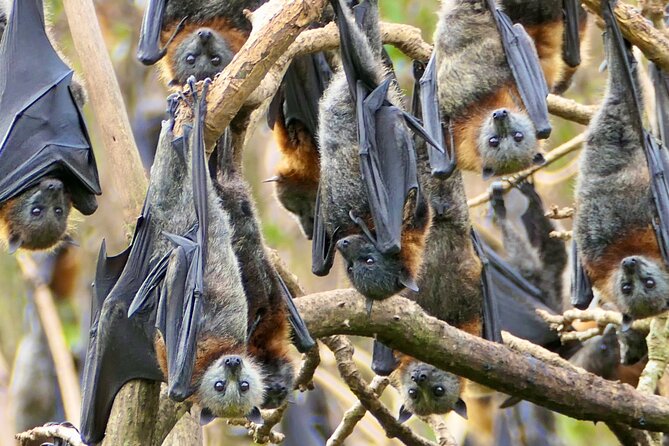
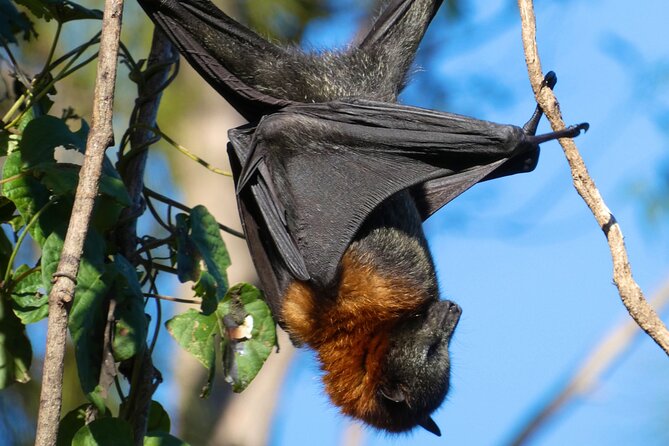
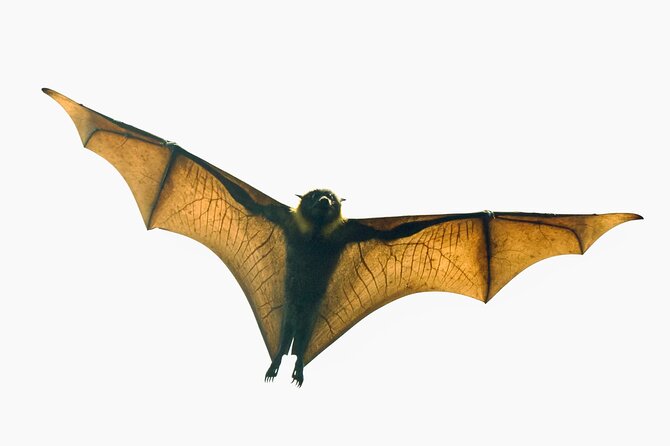
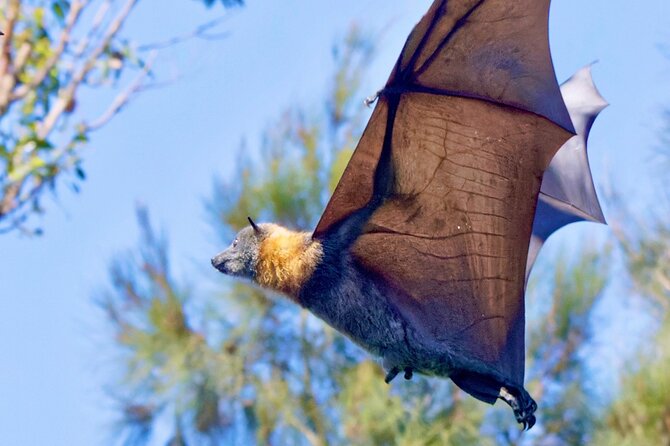
At the reserve, the first surprise is often the scale. The flying foxes can reach a wingspan of around three feet, and they look much larger when they spread their wings or glide across the sky. You may see them hanging from branches, climbing, squabbling, grooming, and moving through the colony.
The phrase thousands of bats is not just decoration here. The main attraction is the sheer number of animals gathered in one place. Even when the colony is resting, the sound and movement make it feel alive. On a more active morning, you may see bats flying beside you or crossing overhead.
The word wild is important. Dave knows where to find the colony, but no guide can choreograph animal behavior. Some visits may bring more flight activity, while others may focus on close views of bats in the trees. The experience is strongest if you enjoy watching animals as they are, rather than waiting for a guaranteed performance.
You may also see native birds around the reserve. White ibis and brush turkeys have been noted in the area, adding a small bonus to the main bat sighting. They are not the reason to book, but they give you another reason to keep looking once your eyes adjust to the colony.
Same harbour city, a completely different day out:
- Sydney Opera House Official Guided Walking Tour
★ 4.5 · 3,770 reviews - Blue Mountains Small-Group Tour from Sydney with Scenic World,Sydney Zoo & Ferry
★ 5.0 · 3,709 reviews - Blue Mountain Small Group Scenic World, Wildlife, Waterfall
★ 4.8 · 3,428 reviews - Sydney: Big Bus Hop-On Hop-Off Tour with Optional Cruise
★ 4.4 · 2,697 reviews
Binoculars and high-zoom cameras make the difference
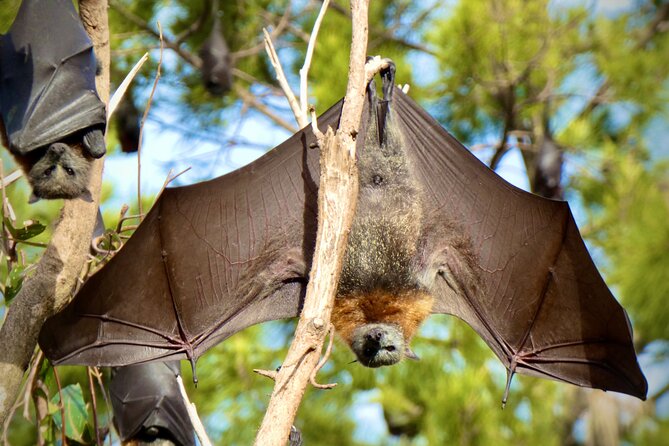
A phone can record the general spectacle, but it may struggle with a bat high in a tree. The supplied binoculars help you inspect the colony, while the high-zoom cameras let you capture faces, wings, and small details that would otherwise disappear.
Dave provides instruction and helps you get comfortable with the cameras. The equipment has been especially useful for people who do not carry a long lens. You can take your own photographs, and Dave may also share images taken with a telephoto lens.
One practical feature is the ability to connect the camera to your phone and download photographs before leaving. That means you do not have to wait until you return home to see what you captured. It also gives you a better chance of taking home a sharp image rather than a collection of distant dark shapes.
The cameras are a major part of the value. At $57.38 per person, the price is not simply paying for transport and a short wildlife stop. You are also getting access to equipment that can cost far more than the outing if you were to buy it for a single holiday.
Still, remember that camera quality cannot control the animals. You may get excellent close-up photographs, but the best results will depend on light, movement, and where the bats are resting. Dave’s own photographs can help fill the gaps.
What Dave adds to the experience
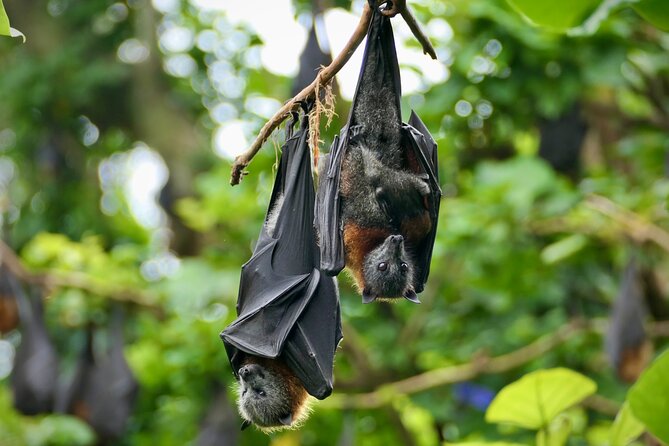
Dave is the guide and driver, and his role goes well beyond getting you to the reserve. He explains the animals in plain language, points out behavior, helps with the binoculars and cameras, and answers questions from the group.
His local wildlife knowledge is a strong reason to choose this outing instead of trying to locate the colony alone. You might find the bats independently, but you would miss the explanation of their importance and the practical help with photography. You would also have to work out the transport and the best viewing place yourself.
The personal approach is useful for mixed groups. A serious wildlife photographer can focus on images, while someone new to bats can ask basic questions without feeling out of place. Families, older visitors, and people who simply want a gentle morning activity can take part without needing specialist skills.
The refreshments are a modest but welcome touch. Bottled water and snacks are provided, which keeps the outing comfortable during the drive and viewing period. Do not mistake this for a meal, but you will not be left without a drink or a small bite.
Price, timing, and the question of value
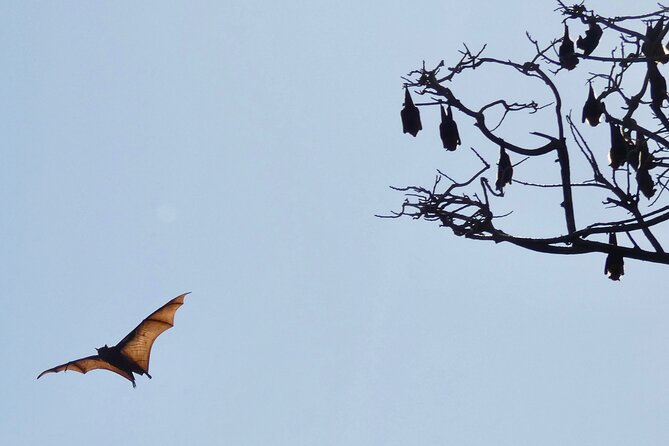
At $57.38 per person, this is reasonably priced for a two-hour to two-and-a-half-hour wildlife outing near central Sydney. The value rests on three things: access to a large wild colony, Dave’s guidance, and the use of cameras and binoculars.
If you only want to look at bats from a distance, you may find cheaper ways to spend a morning. The price makes more sense if you care about seeing the animals close up and taking home photographs that a normal phone may not manage.
The small group also helps. With a maximum of 14 people, the equipment can be shared without making the stop feel like a crowded coach excursion. You still need to take turns if several people want the same camera, but the format allows more direct help than a large sightseeing tour.
The timing is another plus. A 10:00 am start is late enough to avoid a very early alarm, and the outing leaves much of the day free for the harbour, museums, shopping, or another activity. Bats are often associated with nighttime, so seeing them active during the day can be an unexpected part of the experience.
Who should book this flying fox experience
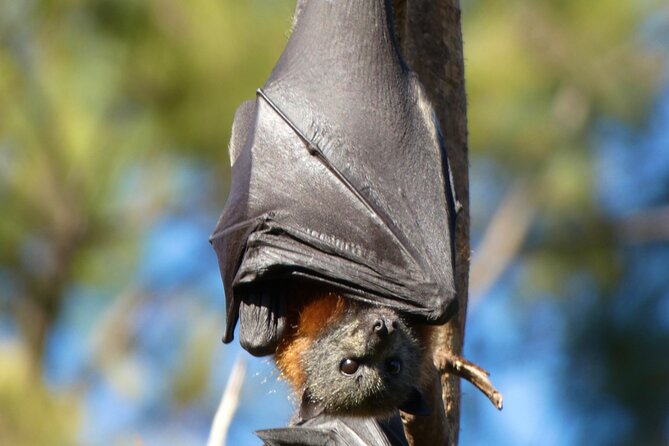
I would recommend it most strongly to wildlife fans, photographers without specialist camera gear, families with older children, and anyone looking for an unusual Sydney activity. It also suits visitors who want a short excursion rather than a full-day trip.
It is a good choice for first-time visitors who have already allowed time for the standard sights. After you have seen the Opera House and harbour, an encounter with a huge native bat colony gives your Sydney visit a more local flavor.
The outing can also suit older parents or people who prefer a relaxed pace. The schedule is short, transport is included from the city meeting point, and the main viewing does not require a demanding expedition based on the information provided.
I would hesitate only if you need guaranteed wildlife action, dislike animals hanging close together, or are looking for a long hike. The bats are wild, the weather can interfere, and activity levels can change. Those are normal limits of a nature outing, but they are worth knowing before you pay.
Weather and cancellation details to keep in mind
Good weather is required. If poor conditions force a cancellation, you can choose another date or receive a full refund. The same applies if the minimum number of participants is not reached and the operator cancels the experience.
For your own plans, free cancellation is available when you cancel at least 24 hours before the 10:00 am start. A cancellation inside that window is not refundable, and changes made inside 24 hours are not accepted.
I would avoid scheduling this on the final morning of your Sydney stay. The activity depends on weather, and keeping some flexibility gives you a better chance of enjoying it without a rushed backup plan.
Is the Flying Fox Experience worth booking?
Book this if you want an affordable, unusual wildlife encounter close to Sydney, especially if you value good photographs and direct help from a guide. The large colony, eye-level viewing, supplied cameras, snacks, and small group make it feel more substantial than a simple drive-by animal stop.
The best reason to go is the chance to watch thousands of endangered flying foxes behaving naturally. Dave’s guidance turns the sighting into a useful lesson, while the camera equipment helps you record details that your phone may miss.
Skip it if you want a guaranteed show, a long nature walk, or a full-day adventure. For most visitors who enjoy wildlife and have a free Sydney morning, this is a distinctive and well-priced way to see a side of Australia that many city itineraries leave out.
FAQ
Where does the Flying Fox Experience start?
The meeting point is near Circular Quay at Thomas Sutcliff Mort, 36 Bridge Street, Sydney, NSW 2000.
What time does the activity begin?
The stated start time is 10:00 am.
How long does the experience last?
The advertised duration is approximately two hours and 30 minutes. The wildlife stop itself is described as about two hours, with driving included in the overall outing.
Where does the tour end?
The activity ends back at the meeting point in Sydney.
How many people can join the experience?
The maximum group size is 14 participants.
Are cameras and binoculars provided?
Yes. High-zoom cameras and binoculars are provided for use during the wildlife encounter. You may also be able to download photographs to your phone before leaving.
What happens if the weather is poor?
Because the activity requires good weather, a cancellation caused by poor conditions gives you the choice of another date or a full refund.
Just added around Sydney
- Sydney Eye Tower Admission Ticket★ 3.5 · 3 reviews
- Guided Snorkel Tour at Australias most iconic beach★ 5.0 · 3 reviews
- Uncover the Magic Gin Distillery Adventure at Millsheds Bowral★ 4.5 · 3 reviews
- Honey Farm Tour. Morning Tea. Guided Tasting★ 5.0 · 3 reviews
- Sydney Beaches Half Day Drive and Walk Tour★ 5.0 · 3 reviews
- Sunrise & Surf Beach Lifestyle Photoshoot★ 5.0 · 3 reviews
- Small Group Tour Sydney City Highlights and Hidden Gems★ 5.0 · 3 reviews
- Tour from Eden to Merimbula Wetlands Wildlife and Coastline★ 5.0 · 3 reviews
Sydney Tours, compared.
All Inclusive Blue Mountain,Scenic World,Lunch,Koalas,ferry
Read our review →
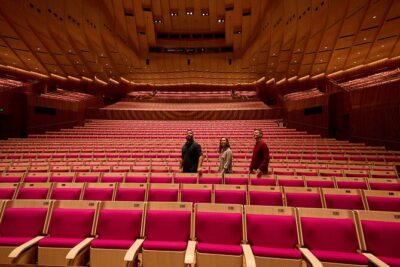
Sydney Opera House Official Guided Walking Tour
Read our review →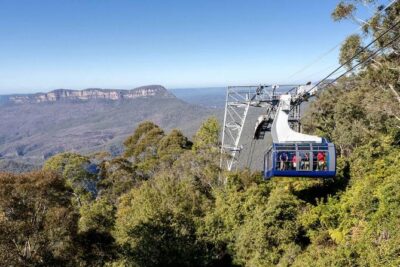
Blue Mountains Small-Group Tour from Sydney with Scenic World,Sydney Zoo & Ferry
Read our review →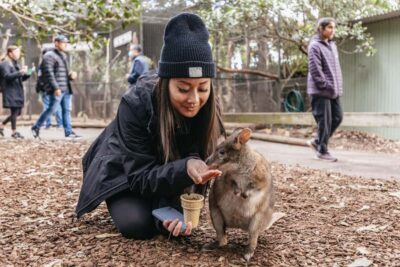
Blue Mountain Small Group Scenic World, Wildlife, Waterfall
Read our review →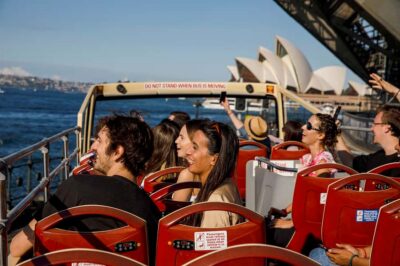
Big Bus Hop-On Hop-Off Tour with Optional Cruise
Read our review →