
Reviewed · SAILING
Learn to Sail on Sydney Harbour: Australian Sailing Start Crewing
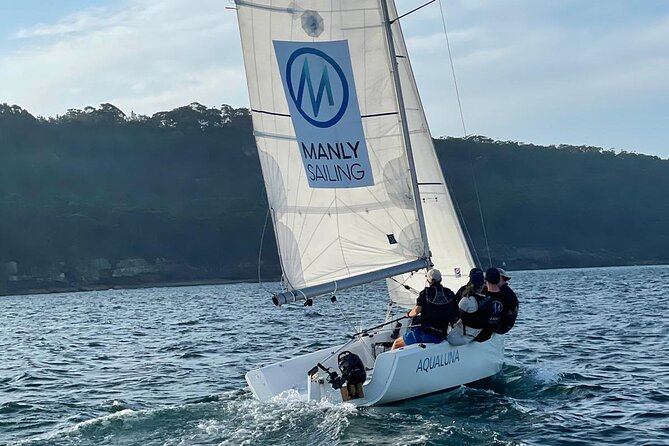
Sydney Harbour is a fine classroom for learning to sail, and this course puts you at the controls rather than leaving you on the sidelines. Over two six-hour lessons from Manly, you learn how to crew a small keelboat, handle lines, follow safety procedures, and work with the wind.
I like the small maximum group of four, which gives you a real chance to take part. I also like that the course is practical: you do not just hear about tacking and gybing, you get time on the water to try them. Instructors including Finn, Issy, and Craig are described as patient, friendly, and clear.
The main consideration is the commitment. This is a 12-hour training course, not a quick harbour cruise, and lunch is not included. You need moderate physical fitness, sun protection, and enough enthusiasm to spend a full weekend learning rather than simply sightseeing.
In This Review
- Key points at a glance
- Starting at Manly Yacht Club
- Your first hours on the boat
- Knots, lines, and the work of crewing
- Tacking, gybing, and learning through repetition
- Man overboard recovery and practical safety
- Why the small group changes the experience
- From beginner lesson to a sailing pathway
- Practical planning for two days on Sydney Harbour
- Who should book this sailing course?
- Should you book Start Crewing?
- FAQ
- Where does the sailing course begin?
- What time does the course start?
- How long does the course last?
- Do I need sailing experience?
- What sailing skills will I learn?
- What equipment is provided?
- Should I bring lunch and water?
- Is transport included?
- Can I cancel for a full refund?
- What happens if the weather is poor?
Key points at a glance
- Two six-hour lessons: The full course gives you time to learn, practise, make mistakes, and try again.
- Maximum of four people: A small group means more direct instruction and hands-on sailing.
- No previous experience needed: You start with boat terms, safety, knots, and basic sailing theory.
- Sydney Harbour setting: You may sail toward sights such as the Harbour Bridge while learning harbour traffic rules.
- Qualified Australian Sailing instructors: Finn, Issy, and Craig have been praised for calm, patient teaching.
- Bring your own lunch and water: Life jackets and sunscreen are supplied, but meals and transport are not.
Starting at Manly Yacht Club
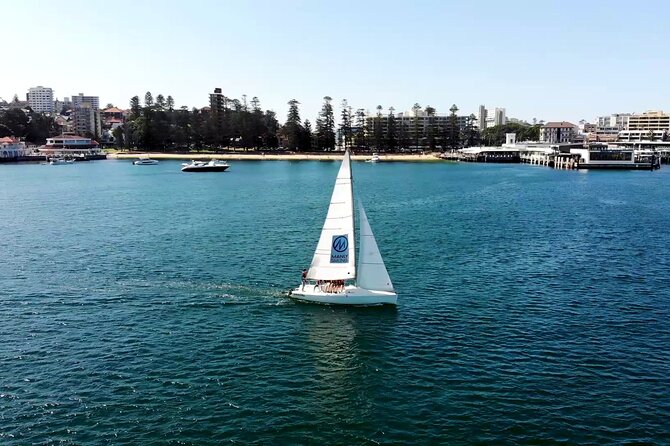
Your sailing day begins at Manly Yacht Club on East Esplanade at 9:00 am. The meeting point is close to public transportation, but you must arrange your own way there and back. The course ends at the same place, which keeps the day simple and avoids the usual scramble to find a different return point.
Manly is a practical base for this kind of lesson. You get a harbour setting without starting in the middle of Sydney’s busiest central waterfront. Once underway, the course can take you toward the Harbour Bridge, where you learn how to read traffic and move safely around other boats.
That sightseeing element is a bonus, but it is not the main event. You are there to learn the boat. Keep your attention on the instructor, the sails, and the water around you, and the famous views become a very good backdrop to the lesson.
The course is commonly arranged as a weekend experience, with two six-hour sessions. Check the confirmed schedule carefully, since the exact sailing time can be adjusted for conditions. One family was contacted about moving to an earlier slot because the wind was expected to build later in the day. That kind of change may be useful for safety and comfort, though it does mean you should keep your plans flexible.
A few more Sydney half-days to weigh up
- Sydney: Discovery Whale Watching Tour by Catamaran
★ 4.2 · 402 reviews - Sydney Harbour: Sunset Catamaran Cruise
★ 4.8 · 261 reviews - Luxury Sailing Cruise on Sydney Harbour with Lunch
★ 5.0 · 171 reviews
Your first hours on the boat
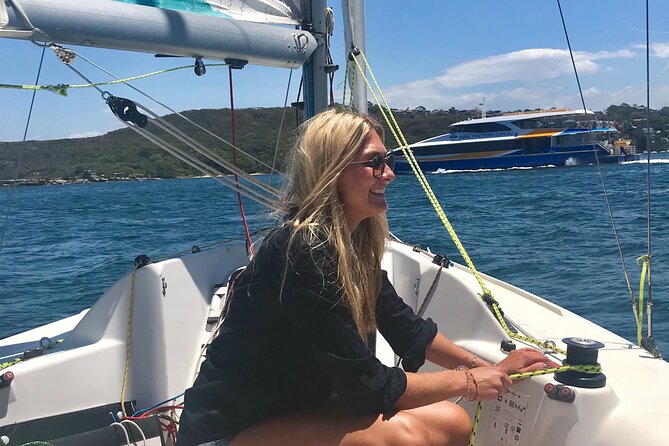
The opening part of the course is about getting comfortable with the vessel and understanding what a crew member actually does. You learn the names of parts of the boat, basic sailing language, and the responsibilities that keep everyone working together.
This may sound simple, but learning the terms early saves confusion later. Sailing depends on quick, clear instructions. If you know which line, sail, or side of the boat the instructor means, you can respond without stopping to translate every word in your head.
You also receive an introduction to sailing theory. That includes how the boat uses wind, how the crew works with the sails, and the basic rules that help boats share the harbour. The lesson is designed for a complete beginner, so you do not need to arrive with sailing vocabulary or previous experience.
Safety receives proper attention. You learn what to do on board, how to use the equipment, and how the crew responds if someone goes into the water. Life jackets are supplied, and sunscreen is included, though you should still bring your own sun protection because a full day on the harbour can be hard on exposed skin.
The teaching style matters here. Issy has been praised for being friendly, patient, and good at keeping a first sailing experience comfortable. Finn is described as calm and encouraging, with a willingness to answer questions. Craig is praised for thorough instruction, especially with people who begin the weekend feeling nervous. Those qualities are important in a beginner course, where confidence can affect how much you absorb.
Knots, lines, and the work of crewing
Basic knots are part of the training, and they are more useful than they may sound. A sailing knot is not a party trick. It helps you secure lines, handle equipment, and do your job without fumbling when the boat is moving.
You should expect to spend time learning how lines are managed and how crew members coordinate their actions. On a small boat, everyone has a task. You may be asked to watch a line, help adjust a sail, or follow a command at the right moment. The small group size works in your favour because you are less likely to spend the whole lesson watching someone else handle the boat.
This is one of the strongest reasons to choose a course rather than a standard harbour cruise. A cruise gives you views. This course asks you to pay attention to what makes the boat move. You leave with a clearer sense of how much teamwork is involved in even a basic sailing manoeuvre.
The boat used in the course has been identified as Aqualuna. The available information does not promise a particular boat for every departure, so treat that name as a useful guide rather than a guarantee. What matters most is that the equipment needed for the course is supplied and that instruction takes place on the water, where the skills make sense.
Tacking, gybing, and learning through repetition
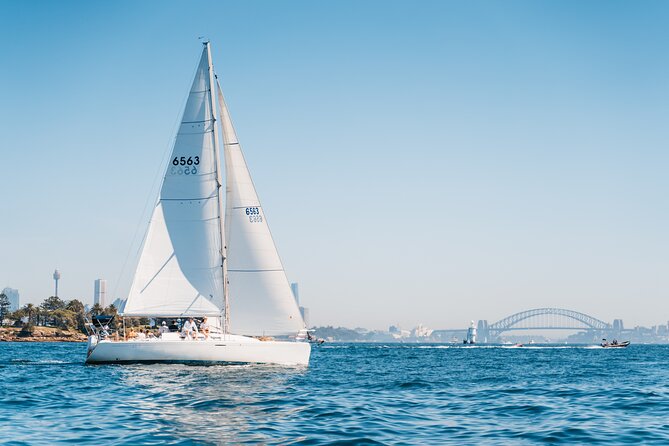
Tacking and gybing are central skills in the course. These manoeuvres change the boat’s direction in relation to the wind, and they require the crew to act together. At first, you may feel that there are too many details to track. That is normal.
A good instructor breaks the movement into manageable steps, then lets you try. You may not get every action right the first time, but a six-hour lesson gives room for repetition. That is far more useful than a short introductory outing where you perform one turn and then return to the dock.
The course also covers basic sailing rules and harbour traffic. This is especially valuable on Sydney Harbour, where you are learning in an active waterway rather than an isolated training area. One account describes sailing toward the Harbour Bridge and back while learning how to handle traffic rules. You get the landmark view, but you also learn why watching other boats and following local rules matters.
Wind conditions will shape the day. Sailing cannot be run entirely on a fixed script, and a change in wind may lead to a schedule adjustment or a different pace of instruction. The course requires good weather, so poor conditions can result in a new date or a full refund. That uncertainty is part of booking an outdoor activity, but the policy gives you a clear safety net.
Same harbour city, a completely different day out:
- Sydney: Opera House Guided Tour with Entrance Ticket
★ 4.8 · 8,312 reviews - All Inclusive Blue Mountain,Scenic World,Lunch,Koalas,ferry
★ 5.0 · 7,832 reviews - From Sydney: Blue Mountains Full-Day Trip
★ 4.5 · 4,471 reviews - Sydney Opera House Official Guided Walking Tour
★ 4.5 · 3,770 reviews
Man overboard recovery and practical safety
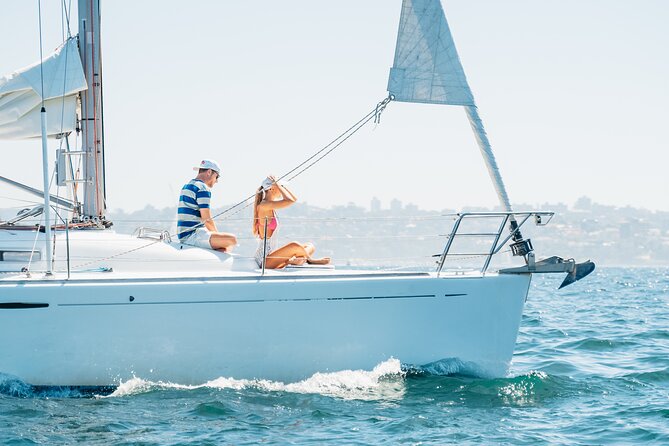
Man overboard recovery is included, which gives the course more substance than a basic introduction to steering and sails. You learn the principles behind responding to someone in the water and how the crew works to bring the boat back safely.
This topic can feel serious, but it is exactly the sort of skill worth learning in a structured setting. Sailing is enjoyable, yet the crew must be ready for problems. Practising the response helps you understand why communication, lookout duties, and calm decisions matter.
You should also expect a moderate level of physical involvement. The course does not state that you need advanced fitness, but it does ask for moderate physical fitness. You will be on a moving boat for two long lessons, handling sailing tasks and staying alert for much of the day.
Wear non-marking shoes so you do not damage or dirty the deck. Choose sun-safe clothing, bring sunscreen even though some is supplied, and carry a bottle of water. Lunch is not included, so pack food for the course. These are small preparations, but they make a long day on the water much easier.
Why the small group changes the experience
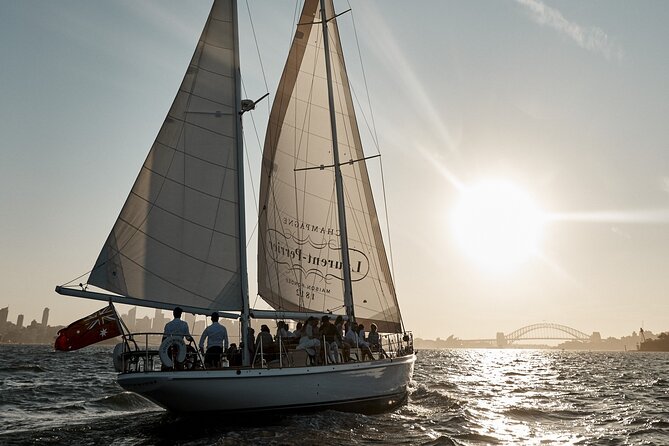
Four is the maximum group size, and that detail deserves real weight. Sailing lessons can lose their value when too many people are sharing the same boat and only one person gets to handle each task. Here, you have a better chance of asking questions and practising the skills yourself.
The course is also suitable for families. One parent and child attended together for a first sailing experience, and another family completed the two-day course with plans to continue to the next level. You should still consider the full six-hour schedule before bringing a child, since the supplied information does not set a minimum age or promise a child-specific program.
The small group also gives the instructor room to adjust the pace. If you are nervous, you can ask for another explanation. If you pick up a skill quickly, you may get more responsibility. That flexibility is harder to provide in a large class.
The tradeoff is price. At $426.76 per person, this is not an inexpensive way to see Sydney Harbour. But the fee covers 12 hours of instruction, professional instructors, equipment, life jackets, and sunscreen. Compared with a short scenic cruise, you are paying for training and hands-on time, not just a seat with a view.
The value is strongest if you genuinely want to learn sailing or continue on the Australian Sailing keelboat training pathway. If you only want photographs of the harbour, a sightseeing cruise will cost less and demand less time.
From beginner lesson to a sailing pathway
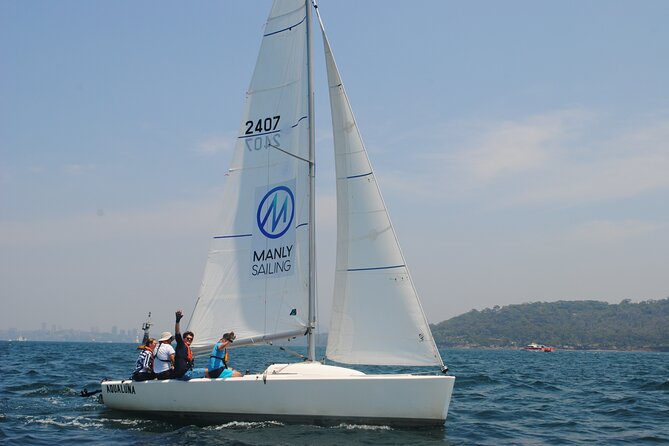
Start Crewing is presented as the first step in Australian Sailing keelboat training. That gives the course a clear purpose. You are not simply collecting a one-off activity; you are building the basic skills needed to crew on a keelboat.
The focus is on crew work rather than advanced boat command. You learn how to understand instructions, manage lines, follow safety procedures, and take part in manoeuvres. This is a sensible starting point because sailing is a team activity. Before you can confidently direct a boat, you need to understand how the crew operates.
Several instructors are mentioned in connection with the course. Finn is described as experienced, approachable, and reassuring. Issy is described as patient and engaging. Craig is described as thorough and calm. Instructor assignments can change, so you should not book solely to receive a particular person, but these names give you a useful sense of the teaching approach to expect.
A later step can include Start Helming, which focuses on steering and greater control of the boat. The course information does not promise that the next level is included, so consider Start Crewing on its own terms. It gives you a foundation and a way to decide if sailing is something you want to pursue.
Practical planning for two days on Sydney Harbour
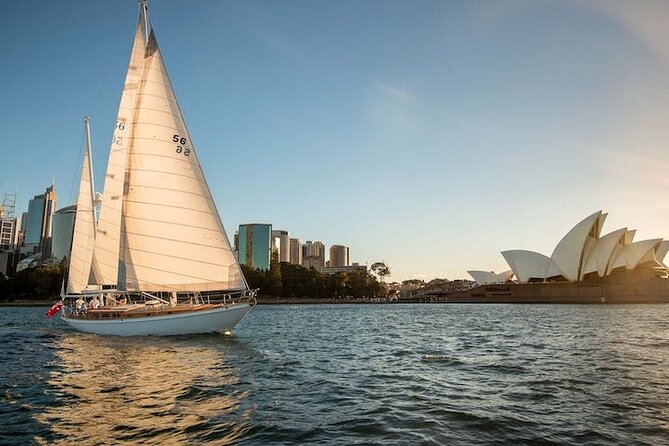
Plan for a full day on each course date. The start time is 9:00 am, and each lesson lasts about six hours. Since the activity finishes back at Manly Yacht Club, you can arrange your day around the same base, but do not schedule a tight connection immediately afterward.
Bring:
- Sun-safe clothing
- Non-marking shoes
- Sunscreen
- Water
- Lunch
- Any personal items you need for a long outdoor session
Life jackets and the necessary sailing equipment are provided. Sunscreen is also supplied, but relying only on shared or provided sunscreen is not ideal for everyone, so I would bring a familiar brand that suits you.
The course is available with a mobile ticket. Confirmation is sent within 48 hours of booking, subject to availability. Since the experience is often booked well ahead, with an average booking time of 181 days, planning early makes sense if your Sydney dates are fixed.
Service animals are allowed, and the meeting point is near public transportation. No hotel pickup or drop-off is provided, and transport to and from Manly is your responsibility. The activity has a minimum number of participants, so a cancellation is possible if that minimum is not reached. In that case, you are offered another date or experience, or a full refund.
You can cancel for a full refund up to 24 hours before the local start time. Changes or cancellations inside that window are not accepted for a refund. Weather can also affect the departure. If poor conditions cancel the course, you are offered a different date or a full refund.
Who should book this sailing course?
I would choose this course if you want genuine instruction, not just a scenic outing. It suits solo participants, couples, families, and small groups who are curious about sailing and comfortable committing to two long lessons.
It is especially useful for you if:
- You have never sailed before
- You want to learn the crew role before trying helming
- You prefer a small class
- You enjoy practical, hands-on activities
- You want Sydney Harbour views while learning a real skill
- You may continue with Australian Sailing training
I would think twice if your main goal is relaxation. You will need to listen, move around the boat, remember instructions, and take part in safety exercises. The harbour scenery is excellent, but this is a class first and a sightseeing experience second.
Should you book Start Crewing?
Book it if you want to leave Sydney with more than photographs. The course gives you 12 hours to learn basic sailing terms, knots, safety, traffic rules, tacking, gybing, and man overboard recovery, with a maximum of four people and qualified instruction.
The cost is high for a casual activity, and you must provide lunch, water, clothing, and transport. Still, the price makes better sense if you value personal instruction and plan to continue sailing. The patient teaching style associated with Finn, Issy, and Craig is also a strong fit for beginners who feel nervous about stepping aboard for the first time.
For a serious first lesson in a beautiful harbour setting, this is a sensible choice. For a quick, easy harbour view, choose something shorter.
FAQ
Where does the sailing course begin?
The course begins at Manly Yacht Club, East Esplanade, Manly, NSW 2095, Australia.
What time does the course start?
The listed start time is 9:00 am.
How long does the course last?
The course consists of two six-hour lessons, for about 12 hours in total.
Do I need sailing experience?
No. The course is designed for people with no previous sailing experience.
What sailing skills will I learn?
You will cover basic sailing terminology, rules, safety, sailing theory, basic knots, tacking, gybing, boat handling, and man overboard recovery.
What equipment is provided?
Professional instructors and the necessary sailing equipment are provided. Life jackets and sunscreen are also supplied.
Should I bring lunch and water?
Yes. Lunch is not included, and you are advised to bring lunch and water for the course.
Is transport included?
No. Hotel pickup, hotel drop-off, and transport to and from the attraction are not included.
Can I cancel for a full refund?
Yes. You can cancel at least 24 hours before the experience start time for a full refund. Cancellations or changes made less than 24 hours before the start time are not accepted for a refund.
What happens if the weather is poor?
If poor weather causes the course to be canceled, you will be offered a different date or a full refund.
Just added around Sydney
- Sydney Eye Tower Admission Ticket★ 3.5 · 3 reviews
- Guided Snorkel Tour at Australias most iconic beach★ 5.0 · 3 reviews
- Uncover the Magic Gin Distillery Adventure at Millsheds Bowral★ 4.5 · 3 reviews
- Sydney Beaches Half Day Drive and Walk Tour★ 5.0 · 3 reviews
- Sunrise & Surf Beach Lifestyle Photoshoot★ 5.0 · 3 reviews
- Honey Farm Tour. Morning Tea. Guided Tasting★ 5.0 · 3 reviews
- Small Group Tour Sydney City Highlights and Hidden Gems★ 5.0 · 3 reviews
- Tour from Eden to Merimbula Wetlands Wildlife and Coastline★ 5.0 · 3 reviews
Sailing, compared.

Luxury Sailing Cruise on Sydney Harbour with Lunch
Read our review →
Premium Catamaran Vivid Cruise with Welcome Drink
Read our review →
Vivid 90-Minute Sydney Harbour Catamaran Cruise with BYO Drinks
Read our review →

Vivid 90-Minute Sydney Harbour Intimate Catamaran Cruise with Canapes
Read our review →Browse the lists this tour appears in