
Reviewed · WILDLIFE & ZOO EXPERIENCES
WILD LIFE Sydney Zoo
WILD LIFE Sydney Zoo puts Australia’s most famous animals under one roof, right in Darling Harbour. You can move from a crocodile habitat to kangaroo country, then into rainforest, wetlands, and rocky wallaby country without leaving central Sydney. I like the chance to see animals such as wombats, echidnas, and pademelons in one compact visit, and I like how the keeper talks add useful context instead of leaving you to guess what you’re looking at.
The main trade-off is size. This is a small urban zoo, not a vast open-air park, so the $27 admission works best when you value convenience and native Australian wildlife over a full day of walking. The indoor setting also makes it a sensible choice when heat or rain puts a stop to outdoor plans.
In This Review
- Key points to know before you go
- A compact Australian journey in Darling Harbour
- Meeting kangaroos and yellow-footed rock-wallabies
- Wombats, echidnas, and Australia’s less famous stars
- Koalas up close, with an extra charge for photos
- From Daintree Rainforest to Kakadu Gorge
- Butterflies, snakes, and close animal viewing
- Keeper talks and the value of a self-guided visit
- How much time should you allow?
- Is the $27 admission good value?
- Who should book WILD LIFE Sydney Zoo?
- Should you book it?
- FAQ
- Where is WILD LIFE Sydney Zoo located?
- How much does admission cost?
- How long is the experience valid?
- What animals can I see?
- Is a koala photo included?
- Is the zoo wheelchair accessible?
- What are the listed opening hours?
Key points to know before you go
- Nine Australian habitat zones: Walk through recreations of places such as the Daintree Rainforest, Kakadu Gorge, floodplains, grasslands, and estuary flats.
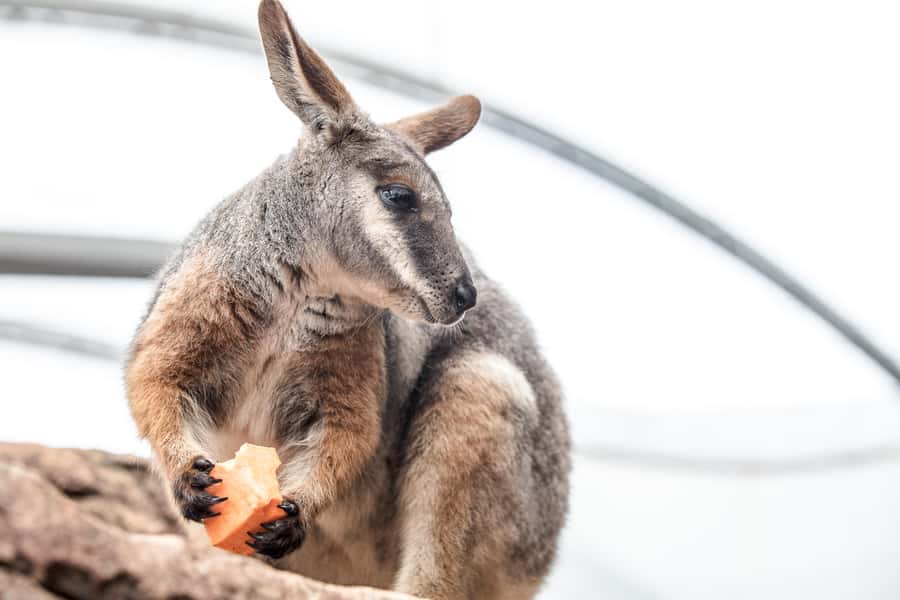
- The rock-wallabies are a highlight: Yellow-footed rock-wallabies move across jagged rocks with surprising speed and agility.
- Koala photos cost extra: You can get close to koalas, but the photograph option is not part of standard admission and does not mean touching the animal.
- A strong native-animal focus: Expect Australian species, not lions, tigers, or bears.
- Keeper talks add value: English-language talks and interactive displays help explain the animals and their habits.
- Plan for two or three hours: The zoo is compact, though animal watching and keeper talks can stretch your visit.
A compact Australian journey in Darling Harbour
WILD LIFE Sydney Zoo is at Aquarium Wharf in Darling Harbour, one of Sydney’s easiest areas to reach while sightseeing. That location is a major part of its appeal. You can combine the zoo with the waterfront, nearby attractions, restaurants, and other central Sydney stops without setting aside a full day for transport.
Inside, the route is arranged around nine Australian-themed habitat zones. Instead of presenting animals as a random collection, the zoo gives you a sense of moving across the country, from tropical forest and northern wetlands to rocky inland country and coastal water habitats.
I find this format especially useful if you have limited time in Sydney. A large wildlife park can take most of a day and require careful planning. Here, you can get a solid introduction to Australian animals in two or three hours, then continue with the rest of your sightseeing.
That compact design has limits, which are worth keeping in mind. Some areas can feel close together, particularly when several people stop at the same viewing point. You will not get the long walks or broad outdoor spaces associated with a large zoo. The reward is a shorter, simpler visit with less time spent crossing the grounds.
More koala, kangaroo and zoo visits near Sydney:
- All Inclusive Blue Mountain,Scenic World,Lunch,Koalas,ferry
★ 5.0 · 7,832 reviews - Blue Mountains Small-Group Tour from Sydney with Scenic World,Sydney Zoo & Ferry
★ 5.0 · 3,709 reviews - Blue Mountain Small Group Scenic World, Wildlife, Waterfall
★ 4.8 · 3,428 reviews
Meeting kangaroos and yellow-footed rock-wallabies
The kangaroo areas are among the most appealing parts of the zoo. The enhanced walk-through habitats let you see these familiar Australian animals at close range, rather than viewing them only from far behind a barrier.
You should still treat the animals as wildlife and follow the zoo’s instructions, but the setup gives you a better look at their size, movement, and relaxed behavior. For many first-time visitors to Australia, this is the moment when the country’s wildlife feels real rather than like a picture on a souvenir.
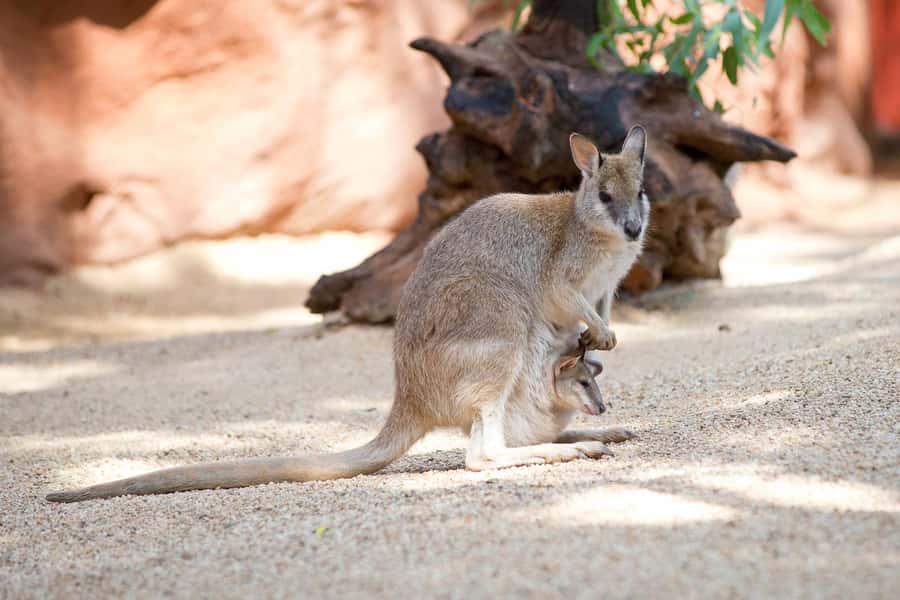
The Wallaby Cliffs area focuses on yellow-footed rock-wallabies. These animals are built for rough, rocky ground, and the jagged setting suits them well. Their quick jumps and sure-footed movement can be more entertaining than a static display, so I would give this area time instead of walking straight through.
The rock-wallabies are also a good example of why habitat design matters. You are not just seeing an animal in a cage. You are seeing it in a setting that helps explain how it moves and survives. The space is still limited compared with a wild national park, but the rocks and changes in level make the encounter more meaningful.
Wombats, echidnas, and Australia’s less famous stars
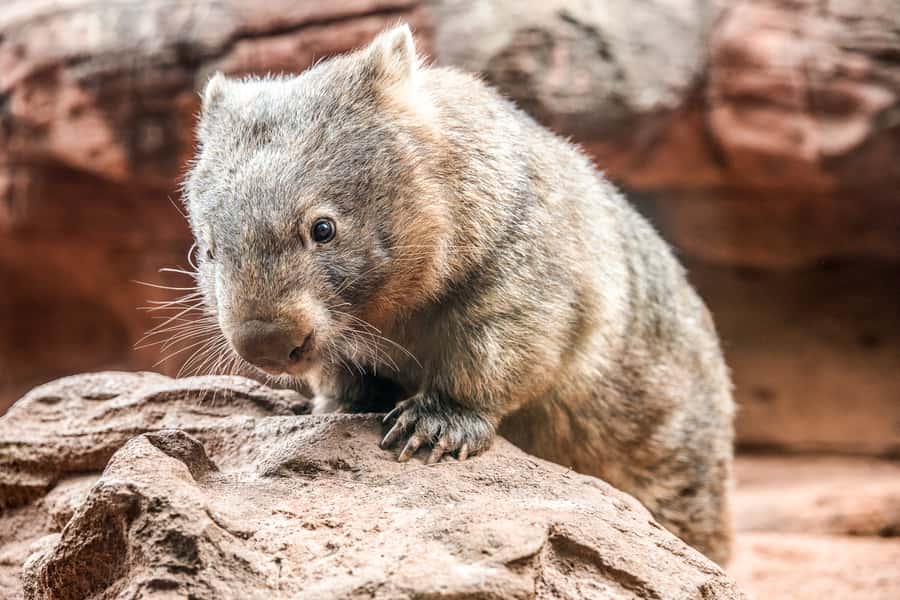
Koalas and kangaroos often get top billing, but I would not rush past the smaller and stranger animals. Hairy-nosed wombats are a major draw, with their solid bodies, short legs, and habit of feeding or sheltering in burrows. They can look sleepy and unhurried, which makes them easy to watch for several minutes.
Echidnas are another strong reason to visit. These spiny Australian mammals are not animals most people can see at a typical city zoo outside Australia. Their unusual appearance and quiet habits reward patience, so check the habitat carefully rather than assuming an empty-looking area has nothing to offer.
The collection also includes pademelons, turtles, and other native species. One particularly useful feature is the chance to see animals you might otherwise miss during a short city trip. You may not have time to visit remote habitats or wildlife parks outside Sydney, yet you can still meet a broad mix of Australian creatures here.
The zoo has more than 100 species in total. That does not mean every animal will be active when you arrive. Like any wildlife collection, the viewing experience depends on the animals’ natural routines. The best approach is to slow down at the habitats that interest you most, especially the wombats, wallabies, and echidnas.
Koalas up close, with an extra charge for photos
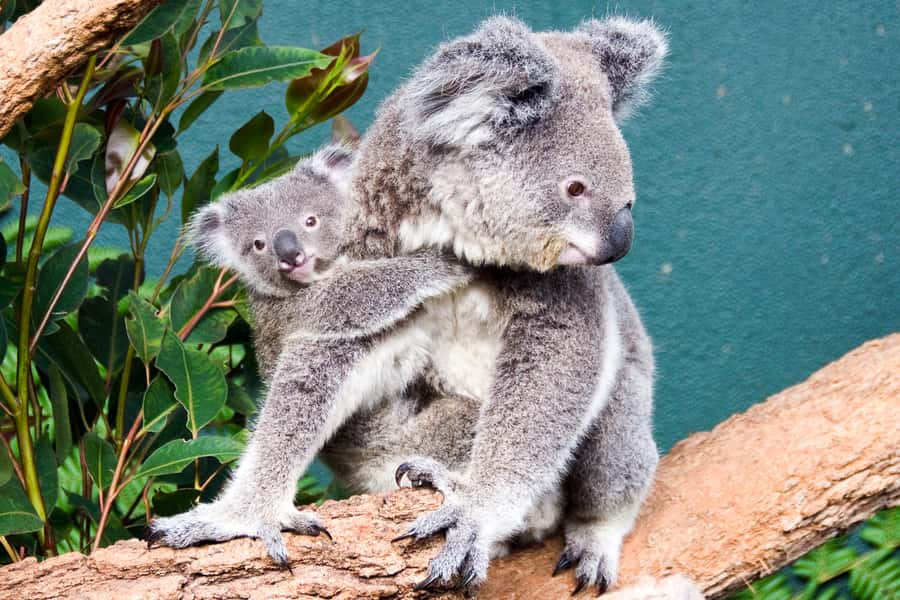
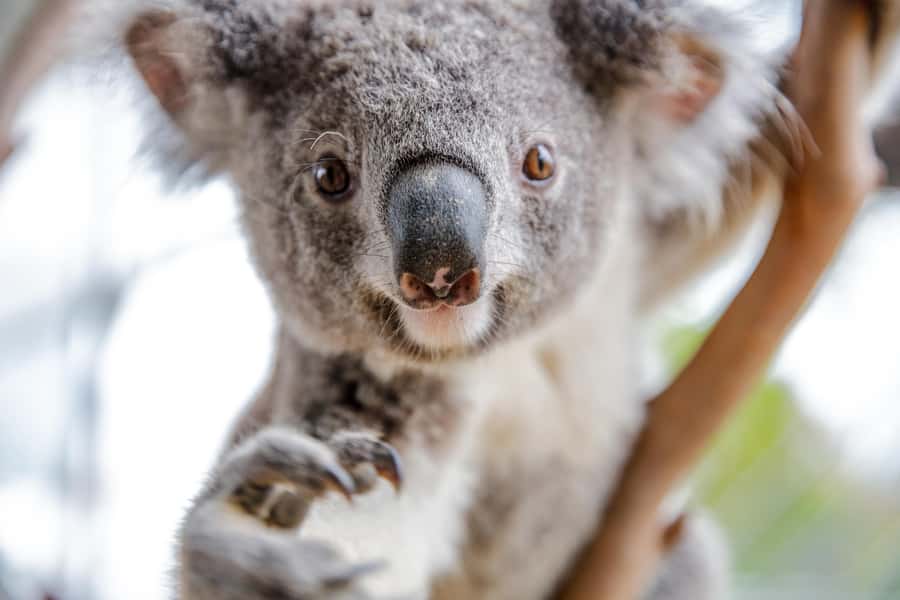
Koalas are one of the zoo’s biggest attractions, and you can get close to them in their habitat. Their slow movements and long rest periods make them easy to observe, even when they are not doing much.
A photo opportunity with the koalas is available for an additional fee. It is not included with the $27 entry price, and the arrangement does not mean you can touch the animal. The photo option is best understood as a close portrait opportunity, with the koala remaining in its enclosure.
That distinction matters. Some people want a personal photo as a classic Australian souvenir, while others are happy to watch the animal without paying extra. I would decide before arriving so you can judge the total cost clearly.
Koala viewing can be especially rewarding when feeding is taking place. The animals may appear sleepy, but watching them eat gives you a better sense of their behavior than simply seeing one resting high in a tree. Keepers can also help explain what you are seeing during scheduled talks.
A few more Sydney half-days to weigh up
- Sydney: Opera House Guided Tour with Entrance Ticket
★ 4.8 · 8,312 reviews - From Sydney: Blue Mountains Full-Day Trip
★ 4.5 · 4,471 reviews - Sydney Opera House Official Guided Walking Tour
★ 4.5 · 3,770 reviews - Sydney: Big Bus Hop-On Hop-Off Tour with Optional Cruise
★ 4.4 · 2,697 reviews
From Daintree Rainforest to Kakadu Gorge
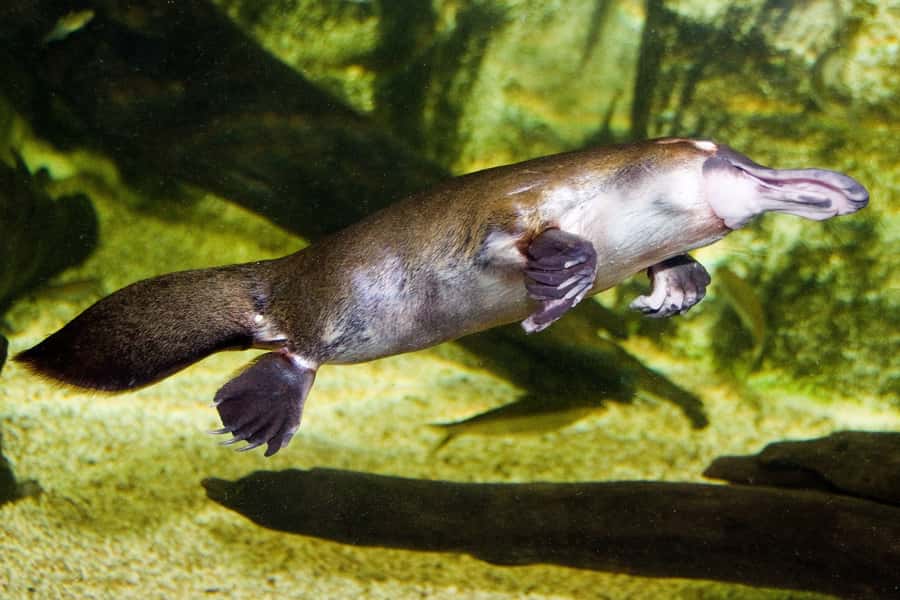
The habitat route takes you through a recreation of the Daintree Rainforest, one of Australia’s best-known tropical environments. Expect dense foliage, humid-forest styling, and animals that blend into the plants or move quietly through them. Butterflies add color and motion, while snakes bring a more unsettling edge for anyone who is not fond of reptiles.
The rainforest section is a good reminder that Australian wildlife is not all marsupials on dry grassland. The country has tropical forests, wetlands, rivers, and coastal habitats too. The displays help connect the animals with the places where they live.
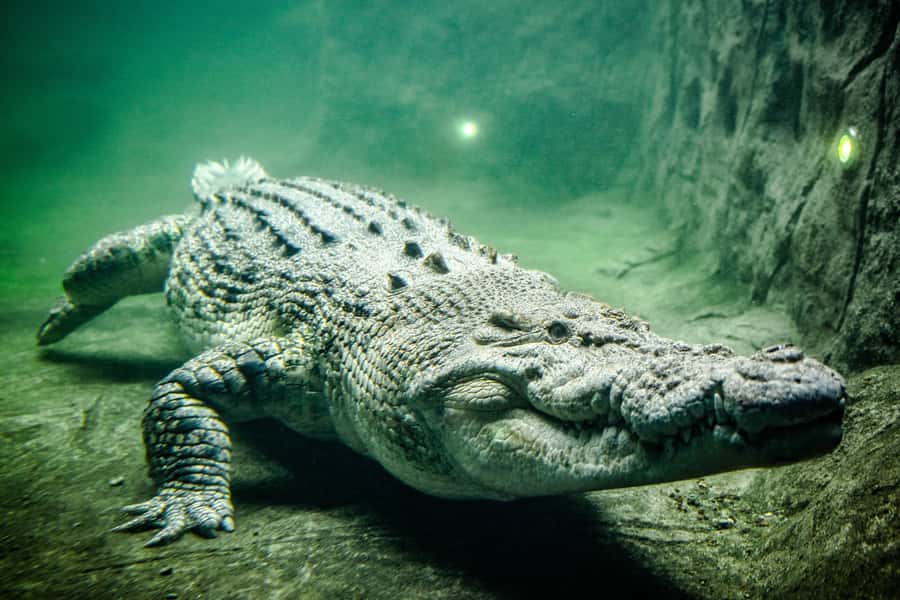
Kakadu Gorge and the Northern Territory’s Top End provide a different setting. The route includes floodplains, grassland, deep gorges, and estuary flats. Water habitats contain turtles and crocodiles, including Rex, the zoo’s well-known crocodile.
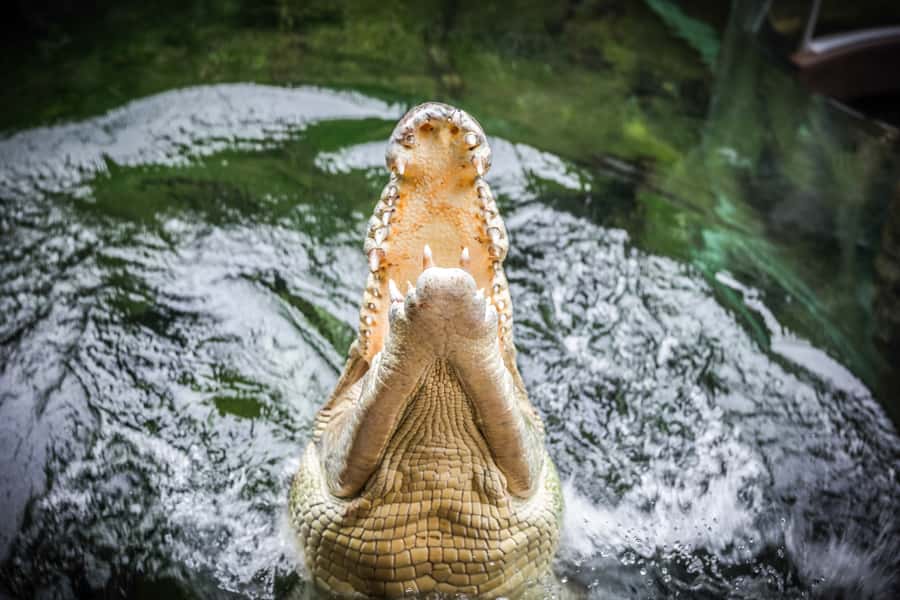
Rex gives the crocodile area a clear focal point. These animals can look motionless for long stretches, so the setting and keeper information help you understand that stillness is part of their normal behavior. You are seeing a powerful native predator, not simply a large reptile behind glass.
The habitat zones are not a substitute for visiting Kakadu National Park or the Daintree in person. They do, however, give you a quick visual guide to the variety of Australia’s natural regions. For a city-based visit, that is useful context.
Butterflies, snakes, and close animal viewing
The butterfly area offers a change of pace from the larger mammals. Colorful butterflies can be easy to miss if you hurry, so I would move slowly and look through the foliage rather than only at eye level. The enclosed setting brings you close to small details that can disappear in a larger outdoor garden.
Snakes are displayed as part of the Australian wildlife collection. They will appeal to anyone curious about native reptiles, though not everyone will enjoy their presence. If you are traveling with children, this section can be a good chance to talk about Australian animals and safety, but younger children may find it unsettling.
Close viewing is one of the zoo’s strongest features. You can see textures, faces, and movements that are hard to notice from a distant viewing platform. It also means the experience may feel crowded when several people gather around a popular animal, so visit quieter habitats first if you want more space.
Keeper talks and the value of a self-guided visit
There is no guided tour included, and you explore at your own pace. That freedom suits me because I can spend longer with a favorite animal and move on quickly from a display that does not hold my attention.
Keeper talks give the visit more structure. Staff provide entertaining information in English and can help explain the animals’ behavior, habitats, and care. Check the timing when you enter so you do not accidentally miss a talk that interests you.
The talks are particularly helpful for children and for anyone unfamiliar with Australian species. A wombat, echidna, or rock-wallaby may not be instantly recognizable, and a short explanation can turn a quick glance into a better understanding of the animal.
Interactive displays add another layer, though the main value remains the live habitats. I would treat the zoo as a flexible self-guided visit with talks woven into it, not as a formal tour with a fixed route or personal guide.
How much time should you allow?
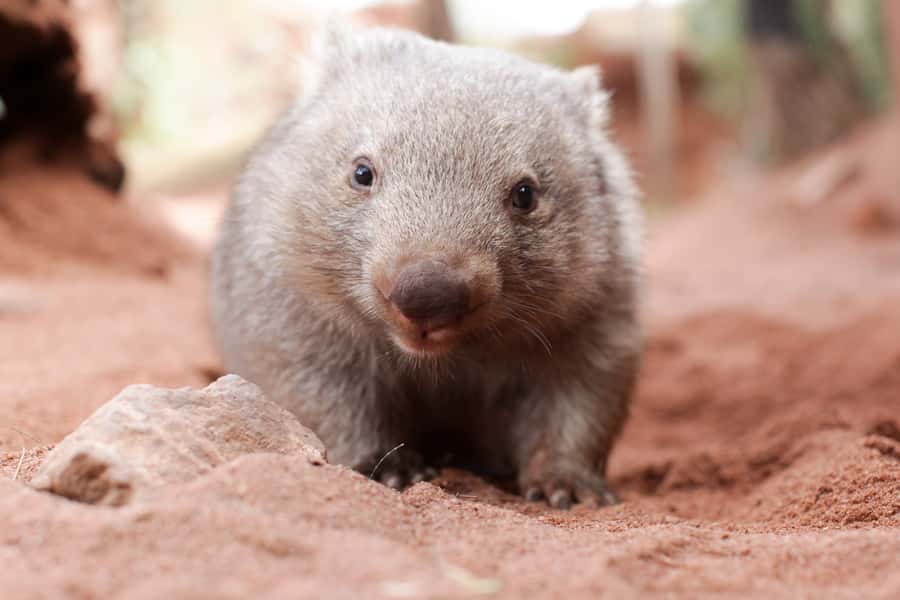
The stated validity is one day, but most people can cover the zoo in about two to three hours. That makes it easy to fit between other Sydney plans. If you stop for every keeper talk, spend time photographing koalas and kangaroos, and watch the rock-wallabies, you may stay longer.
The listed opening hours are 10:00 a.m. to 4:00 p.m., with last entry at 3:00 p.m. Check the available start time when booking, since operating details can change.
Arriving earlier gives you more room before the last entry cutoff and leaves time for a slow visit. A late arrival can still work if you want a quick look, but it may feel rushed, especially if you hope to attend talks or take your time with the smaller animals.
Because the zoo is indoors and centrally located, it also works well as a heat break. One visitor used it for a few hours when outdoor sightseeing was too hot, which is exactly the sort of practical role this attraction fills.
Is the $27 admission good value?
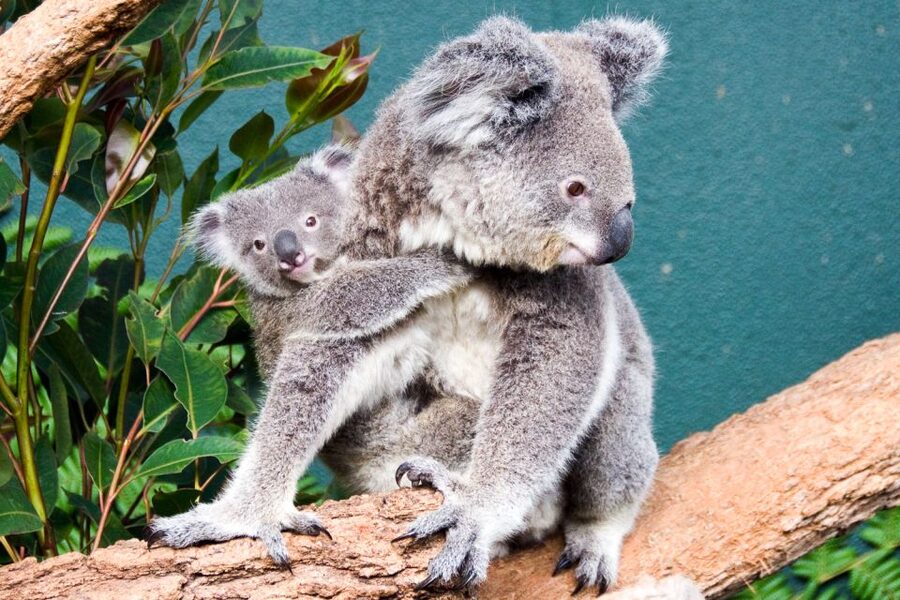
At $27 per person, the price is reasonable if your priority is seeing native Australian wildlife in central Sydney. You get access to nine habitat zones and more than 100 species, including animals that are difficult to see in a normal city setting.
The value is less convincing if you expect a large zoo with long trails, extensive open spaces, or animals from around the world. This is not the place for lions, tigers, or bears. Its focus is distinctly Australian, and that focus is the reason to choose it.
Remember to add the separate koala photo cost if that matters to you. The base ticket includes close encounters with koalas and other marsupials, but not the photo package.
The zoo is also wheelchair accessible, which makes its compact layout useful for people who prefer not to cover a huge outdoor site. A small cafe is available, though the on-site cafe has been described as very small. I would not plan the whole day around eating there.
Free cancellation is available up to 24 hours before the visit, and you can reserve now and pay later. Those terms help if your Sydney schedule is still changing, but the central question remains simple: do you want a convenient Australian wildlife stop or a full-scale zoo day?
Who should book WILD LIFE Sydney Zoo?
I would recommend it to first-time visitors who want to see koalas, kangaroos, wombats, and other native animals without leaving the city. Families with young children can also benefit from the short route, indoor setting, and clear variety of habitats.
It suits you particularly well if you have only a few hours, if the weather is too hot for outdoor sightseeing, or if a large zoo would be tiring. The zoo is also a good final Sydney activity for anyone who wants one more look at Australian wildlife before leaving.
I would think twice if you have already visited several Australian wildlife parks or if you want a wide-open setting. The compact footprint can feel crowded, and the attraction may not fill an entire day for adults who move quickly.
Should you book it?
Book WILD LIFE Sydney Zoo if you want convenient access to distinctly Australian animals in a central indoor attraction. The kangaroos, koalas, rock-wallabies, wombats, and echidnas give the visit real local character, while Rex the crocodile and the rainforest and wetland zones add variety.
Skip it if your main goal is a large outdoor zoo or a full-day animal park. At $27, it is best value as a focused two to three-hour visit, especially when paired with other Darling Harbour plans. If that fits your schedule, it is a practical and worthwhile way to meet Australia’s wildlife without spending the day outside Sydney.
FAQ
Where is WILD LIFE Sydney Zoo located?
It is located at Aquarium Wharf in Darling Harbour, Sydney, New South Wales, Australia.
How much does admission cost?
The listed price is $27 per person.
How long is the experience valid?
Entry is valid for one day. Most people can expect to spend around two to three hours, depending on how long they watch the animals and keeper talks.
What animals can I see?
The zoo has more than 100 species of Australian animals, including kangaroos, koalas, wombats, echidnas, yellow-footed rock-wallabies, crocodiles, turtles, snakes, butterflies, and pademelons.
Is a koala photo included?
No. A photo with the koalas is not included in standard admission and must be paid for separately. The photo opportunity does not involve touching the koala.
Is the zoo wheelchair accessible?
Yes. WILD LIFE Sydney Zoo is wheelchair accessible.
What are the listed opening hours?
The stated opening hours are 10:00 a.m. to 4:00 p.m., with last entry at 3:00 p.m. Check availability and current details when booking.
Just added around Sydney
- Sydney Eye Tower Admission Ticket★ 3.5 · 3 reviews
- Uncover the Magic Gin Distillery Adventure at Millsheds Bowral★ 4.5 · 3 reviews
- Guided Snorkel Tour at Australias most iconic beach★ 5.0 · 3 reviews
- Sunrise & Surf Beach Lifestyle Photoshoot★ 5.0 · 3 reviews
- Honey Farm Tour. Morning Tea. Guided Tasting★ 5.0 · 3 reviews
- Sydney Beaches Half Day Drive and Walk Tour★ 5.0 · 3 reviews
- Tour from Eden to Merimbula Wetlands Wildlife and Coastline★ 5.0 · 3 reviews
- From Sydney Blue Mountains Private Tour with Wildlife Park★ 3.5 · 3 reviews
Wildlife & Zoo Experiences, compared.
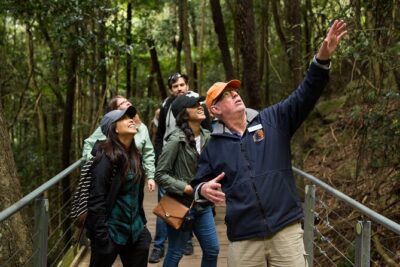
All Inclusive Blue Mountain,Scenic World,Lunch,Koalas,ferry
Read our review →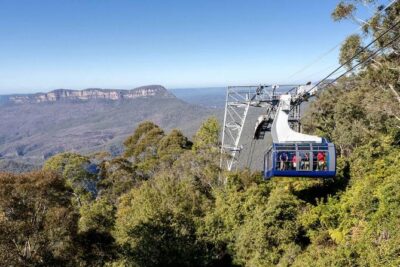
Blue Mountains Small-Group Tour from Sydney with Scenic World,Sydney Zoo & Ferry
Read our review →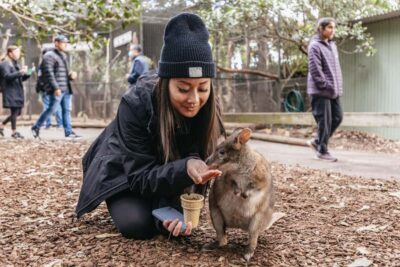
Blue Mountain Small Group Scenic World, Wildlife, Waterfall
Read our review →
Blue Mountains Adventure: Scenic World, Zoo & Koala Photo
Read our review →
Three Sisters, Scenic World and Wildlife park
Read our review →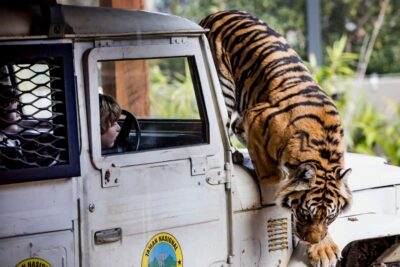
Exclusive Blue Mountains Wildlife and Bushwalk Tour From Sydney
Read our review →
Browse the lists this tour appears in