
Reviewed · SYDNEY FISH MARKET TOURS
Sydney Fish Market Behind the Scenes Tour
Sydney Fish Market is at its most interesting before breakfast, when fishmongers are sorting, grading, packing, and selling the day’s catch. This 6:00 am behind-the-scenes tour takes you into auction and wholesale areas normally closed to the public, including the second-largest wholesale fish auction in the world.
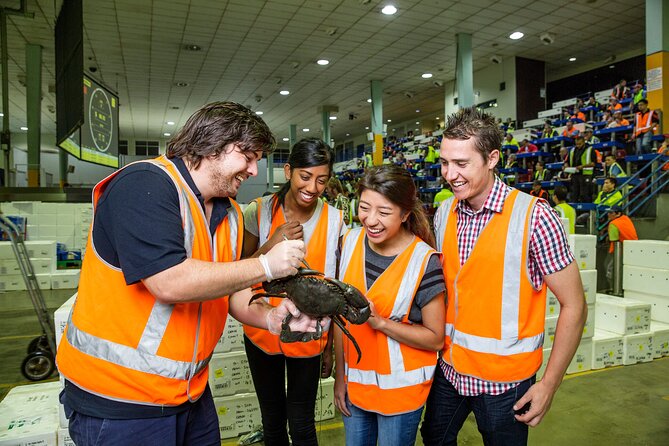
I like two things right away: you see the Dutch auction system in action, and you meet seafood that is still very much part of the working market, including live lobsters, mud crabs, and giant tuna. The main drawback is the early start, and children under 13 cannot join.
In This Review
- Key points to know before booking
- Why 6:00 am is the right time to visit
- Walking through the auction and wholesale floor
- Seeing the Dutch auction in action
- From Australian waters to restaurant plates
- Lobsters, mud crabs, and giant tuna
- What the guide adds to the experience
- Is the $57.38 price good value?
- Who should book this morning tour?
- Practical tips for making the most of it
- Should you book the Sydney Fish Market Behind the Scenes Tour?
- FAQ
- What time does the Sydney Fish Market Behind the Scenes Tour start?
- Where does the tour begin and end?
- How long does the tour last?
- Are children allowed to join the tour?
- What is included in the tour?
- Can I cancel for a full refund?
Key points to know before booking
- Watch a real seafood auction: See how the Dutch auction works as fish is graded, priced, and sold.
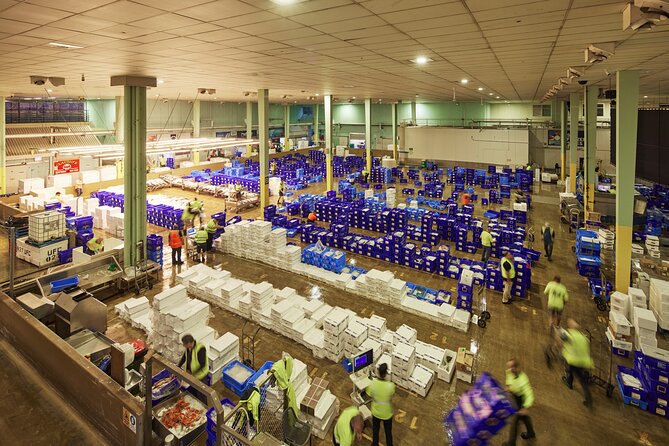
- Enter restricted working areas: Visit auction, wholesale, sorting, and packing zones usually closed to the public.
- Meet the catch up close: Look at live lobsters, mud crabs, giant tuna, and many other Australian species.
- Learn from working seafood specialists: Guides such as Tom and Mike bring practical experience from the fishing industry.
- Small group size: The tour accepts no more than 15 people, which gives you a better chance to ask questions.
- Come prepared for an early morning: The tour begins at 6:00 am and lasts about 90 minutes to two hours.
Why 6:00 am is the right time to visit
Sydney Fish Market is not simply a place to buy a seafood lunch. It is a working wholesale operation, and the early morning is when the important business takes place. By arriving at 6:00 am, you see the market handling seafood before the public-facing side becomes the main attraction.
That timing gives the tour its purpose. You are not just looking at fish displays or hearing a general talk about Australian food. You are watching the chain that connects Australia’s fishing grounds and aquaculture farms with restaurants and seafood counters in Sydney.
I would not choose this tour if you want a lazy start to the day. You need to be at the meeting point on time, and the early hour may be a poor fit after a late night. But if you enjoy seeing how a city works, this is one of those rare morning activities where the timing is part of the experience rather than an inconvenience.
The tour begins at 1 Bridge Road, Glebe, and ends back there. Transportation is not included, so you need to arrange your own way to the meeting point. The market is near public transportation, which helps, but you should still allow enough time to reach the start without rushing.
More Fish Market mornings:
- Sydney Fish Market Discovery Tour
★ 4.2 · 10 reviews - Sydney Fish Market Behind the Scenes Tour
★ 5.0 · 10 reviews - Sydney Harbour & Fish Market Sightseeing Cruise
★ 4.5 · 4 reviews
Walking through the auction and wholesale floor
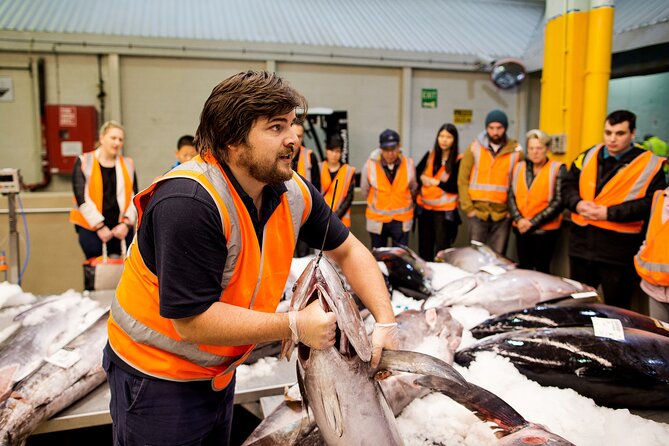
The main stop is Sydney Fish Market itself. The guided visit lasts around one hour within a total experience of roughly 90 minutes to two hours, depending on how the tour unfolds.
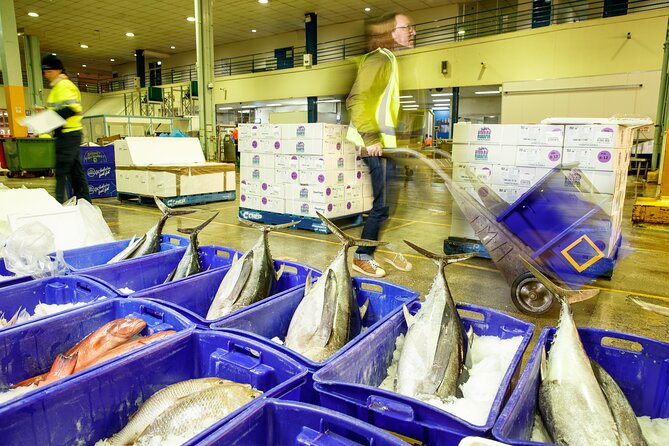
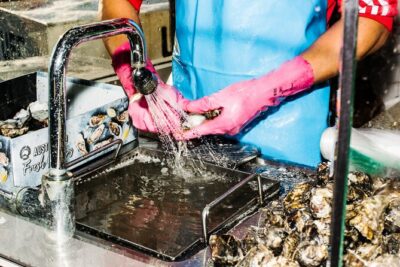
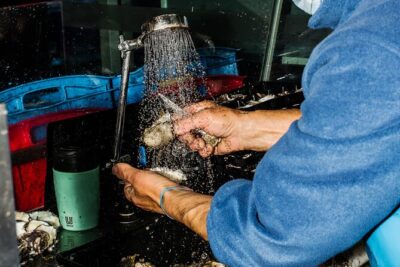
Your guide leads you through areas where seafood is auctioned, graded, sorted, and packed. These working sections are normally closed to the public, so the tour provides access you would not get from simply visiting the market’s public areas on your own.
This distinction matters. A regular market visit can show you the finished product. This tour helps you understand what happens before a fish becomes a fillet on a restaurant plate. You see the practical work behind the sale: assessing the product, organizing it, and preparing it for buyers.
The group size is limited to 15 people. That is small enough to make the guide’s explanations easier to follow in an active market setting. It also gives you a reasonable chance to ask about a fish, crab, or auction process without trying to speak over a large crowd.
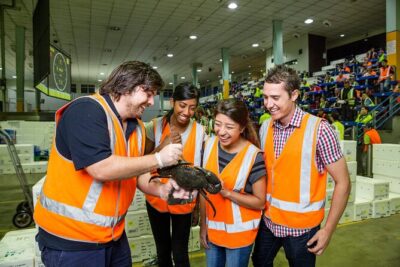
You will be supplied with a hi-vis vest and boots for use during the tour. These are useful items in a working market, where you need to look and move appropriately in areas that are not arranged like a normal sightseeing attraction.
Seeing the Dutch auction in action
One of the most useful parts of the tour is the explanation of the Dutch auction system. This is not a standard auction where the price starts low and rises as people bid. The Dutch method begins at a higher price and moves downward until a buyer accepts it.
That detail gives you a better sense of how speed and judgment matter in wholesale seafood. Buyers need to understand the product, read the price, and make a decision quickly. The process is a practical lesson in how a large seafood market moves substantial quantities of fresh food.
The tour also explains how seafood is graded and sold. Grading is not just a technical step. It affects how the product is handled, where it goes, and what buyers are willing to pay. Seeing the system firsthand makes the seafood counter later in your trip more interesting because you understand some of the work behind the display.
The auction floor is likely to be the highlight for anyone interested in food supply, restaurants, fishing, or the daily mechanics of a major city. It also gives the experience a stronger sense of place than a generic food tour. You are learning inside an active workplace, not in a classroom separated from the industry.
From Australian waters to restaurant plates
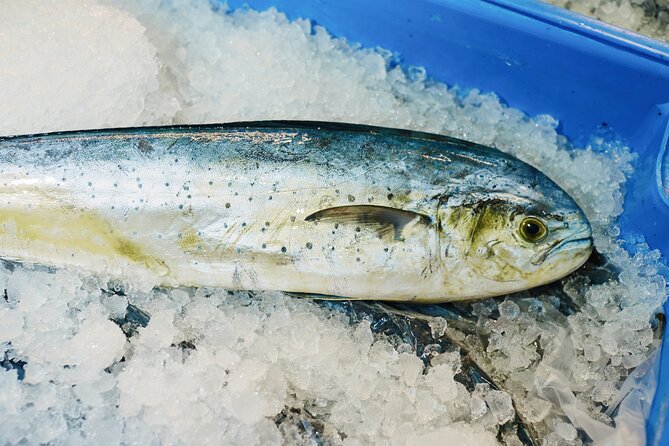
The guide explains the route seafood takes from Australia’s waters to Sydney restaurants. You learn about the people and processes involved, including fishmongers, wholesale buyers, graders, and packers.
This is where the tour moves beyond identifying different species. You get a clearer idea of how seafood is selected, handled, and prepared for sale. The focus on the full supply chain helps you connect what you see on the auction floor with the seafood served around Sydney.
The experience also covers Australia’s work in sustainable fishing and aquaculture. That makes the tour useful for anyone who wants more context about seafood choices, not just a quick look at a market.
The information is especially valuable because it is tied to real products and real market activity. Instead of treating sustainability as an abstract topic, the tour places it alongside the seafood being graded and sold that morning. The details provided for this experience do not spell out every sustainability practice discussed, so you should think of this as an introduction rather than a full technical course.
A few more Sydney half-days to weigh up
- Sydney: Opera House Guided Tour with Entrance Ticket
★ 4.8 · 8,312 reviews - All Inclusive Blue Mountain,Scenic World,Lunch,Koalas,ferry
★ 5.0 · 7,832 reviews - From Sydney: Blue Mountains Full-Day Trip
★ 4.5 · 4,471 reviews - Sydney Opera House Official Guided Walking Tour
★ 4.5 · 3,770 reviews
Lobsters, mud crabs, and giant tuna
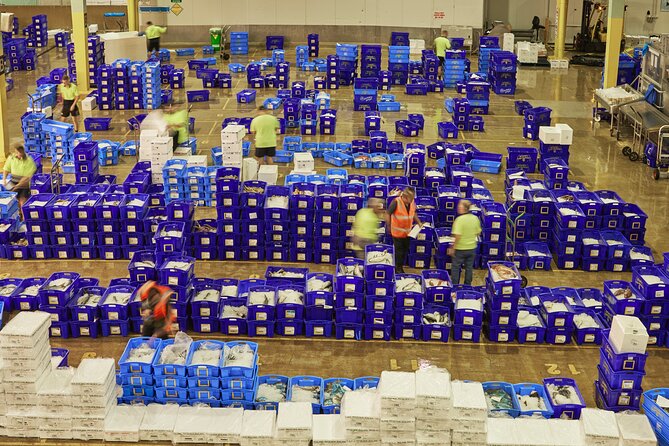
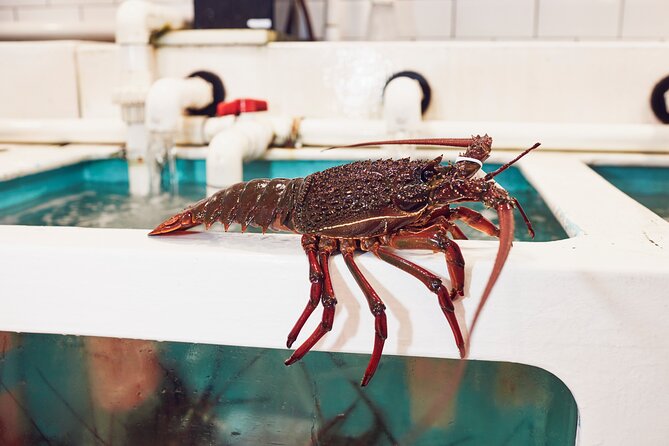
The tour includes the chance to see live lobsters and mud crabs, as well as giant tuna. These encounters add a visual and hands-on quality to the visit, especially if your knowledge of Australian seafood begins and ends with fish and chips.
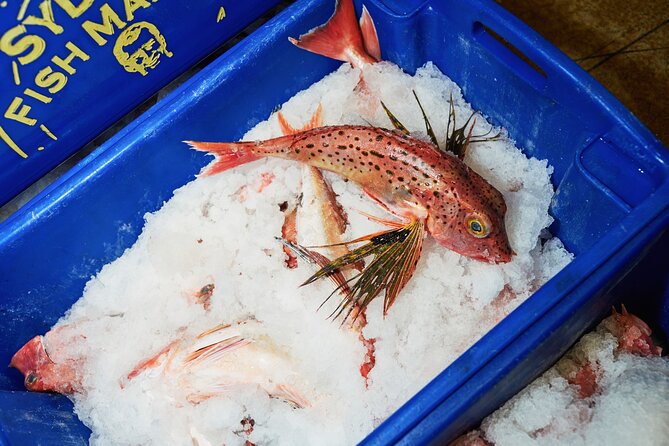
You also explore the range of species available on the auction floor. That variety helps show why seafood markets need a structured grading and sales system. Different species have different shapes, sizes, handling needs, and buyers.
A guide with fishing experience can make a real difference here. Mike, one of the guides associated with the tour, has worked as a fisherman and can answer questions about fish and crabs from practical experience. Tom is also singled out for giving clear explanations about the fishing industry and where seafood comes from.
Those guide details are worth noting because the quality of a market tour depends heavily on the person leading it. A guide who can explain both the auction system and the animals in front of you gives the visit more depth than a simple walk around the floor.
What the guide adds to the experience
Your guide is a licensed tour guide and Seafood Educator. The best use of the guide is not merely to point out fish, but to explain what you are seeing while the market is working around you.
Tom is described as particularly strong on the fishing industry, seafood sources, and the future of the new fish market planned for Sydney. Mike brings hands-on fishing experience and can speak about fish and crabs in practical terms. Guide assignments can change, so you should not book on the assumption that one particular person will lead your group.
The tour is educational, but it should not feel like a formal lecture. The setting supplies much of the interest. You move through working spaces, stop to examine species, and learn how the auction and packing process operates.
I like that the small group supports this format. With a maximum of 15 people, the guide can respond to questions and keep the walk moving. A large group would make the auction floor harder to navigate and could weaken the sense that you are seeing a real workplace.
Is the $57.38 price good value?
At $57.38 per person, this is not the cheapest way to spend a morning in Sydney. You can visit the public parts of a fish market without paying for a specialist tour, and the included items are limited to the guide, hi-vis vest, and boots.
The value comes from access and explanation. You are paying to enter working auction and wholesale areas, learn how the Dutch auction works, see grading and packing, and connect the seafood to Australia’s fishing and aquaculture industries.
I consider the price reasonable if you have a real interest in food systems, fishing, markets, or Sydney’s restaurant culture. It is also a good choice if you prefer a short, focused activity rather than a full-day tour.
The value is weaker if you only want to eat seafood or browse stalls. The tour does not include transportation, and the supplied details do not include a meal or tasting. You should treat it as an educational visit to a working market, not as a seafood breakfast tour.
The experience is booked an average of 28 days ahead, so leaving it until the last minute may not work if your schedule is fixed. Free cancellation is available until 24 hours before the start time. Changes or cancellations made inside that window are not accepted for a refund.
Who should book this morning tour?
I would recommend it to adults and older teenagers who enjoy seeing the machinery behind everyday life. It suits food-focused visitors, aspiring cooks, seafood fans, restaurant professionals, and anyone curious about how a major market operates.
It is also a useful choice for repeat visitors to Sydney. If you have already seen the Opera House, Harbour Bridge, and central sights, this tour offers a more local look at the city’s food economy.
The age rule is firm: children under 13 are not permitted. The experience is suitable for most people who can participate in a guided walk, but the setting is a working market rather than a polished museum. Expect practical surroundings and an early start.
The tour may be less suitable for someone who needs a slow morning, wants a tasting menu, or prefers a relaxed public market visit. Its appeal comes from access, timing, and information, not comfort or luxury.
Practical tips for making the most of it
Arrive ready for the 6:00 am start. Since the tour begins at a specific meeting point and transportation is not included, plan your route before the morning of the visit.
Wear clothing that works for a working market. The tour provides a hi-vis vest and boots, so you do not need to bring those items. The supplied equipment also signals that you will be visiting operational areas rather than simply walking through a retail hall.
Keep your questions ready. You might ask about the Dutch auction, how seafood is graded, the difference between fishing and aquaculture, or how fish moves from the auction floor to a restaurant. Guides such as Tom and Mike are well placed to answer questions about the industry and the species you see.
Give yourself flexibility after the tour. The stated duration is approximately 90 minutes to two hours, so avoid booking another activity immediately afterward. The tour ends back at the meeting point, which makes it easier to continue your day in Sydney once the visit is finished.
Should you book the Sydney Fish Market Behind the Scenes Tour?
Book it if you want to see the working side of Sydney Fish Market and understand how seafood is sold before it reaches a restaurant. The Dutch auction, restricted wholesale areas, live seafood, and guide experience make this more than a standard market stroll.
Skip it if you dislike early mornings, need transportation included, or mainly want to eat seafood. For the right audience, the $57.38 cost buys access and useful context. For everyone else, the public market may be enough.
FAQ
What time does the Sydney Fish Market Behind the Scenes Tour start?
The tour starts at 6:00 am.
Where does the tour begin and end?
It begins at 1 Bridge Road, Glebe NSW 2037, Australia, and ends back at the meeting point.
How long does the tour last?
The experience lasts approximately 90 minutes to two hours.
Are children allowed to join the tour?
Children under 13 are not permitted. Most other participants can take part.
What is included in the tour?
A licensed tour guide leads the experience, and hi-vis vests and boots are provided for use during the tour.
Can I cancel for a full refund?
Yes. You can cancel at least 24 hours before the local start time for a full refund. Cancellations or changes made less than 24 hours before the start time are not accepted for a refund.
Just added around Sydney
- Sydney Eye Tower Admission Ticket★ 3.5 · 3 reviews
- Uncover the Magic Gin Distillery Adventure at Millsheds Bowral★ 4.5 · 3 reviews
- Guided Snorkel Tour at Australias most iconic beach★ 5.0 · 3 reviews
- Sunrise & Surf Beach Lifestyle Photoshoot★ 5.0 · 3 reviews
- Honey Farm Tour. Morning Tea. Guided Tasting★ 5.0 · 3 reviews
- Sydney Beaches Half Day Drive and Walk Tour★ 5.0 · 3 reviews
- Tour from Eden to Merimbula Wetlands Wildlife and Coastline★ 5.0 · 3 reviews
- From Sydney Blue Mountains Private Tour with Wildlife Park★ 3.5 · 3 reviews
Sydney Fish Market Tours, compared.
Browse the lists this tour appears in