
Reviewed · SYDNEY FISH MARKET TOURS
Sydney Fish Market Behind the Scenes Tour
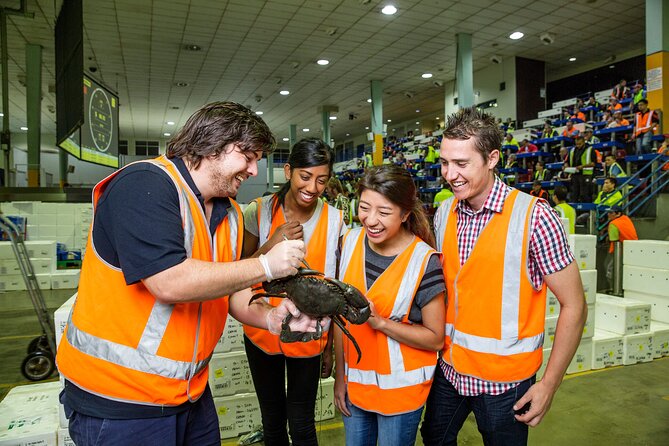
Sydney Fish Market gets most interesting before breakfast, when the public auction floor is working at full speed. On this two-hour tour, you enter the normally restricted area, watch the Dutch auction sell more than 50 tonnes of seafood, and see the blue crates that hold over 100 species.
I like the small group of 10 or fewer, which gives you a better chance to hear the guide and ask questions. I also like the practical demonstrations, especially tuna filleting, oyster shucking, sushi preparation, and live lobster handling. The main drawback is the early start: you need to arrive by 5:50am, and the tour is not suitable for children under 10 or wheelchair users.
This is also a chance to see the current market before its expected demolition to make way for a new building. Guides have included Mark, an experienced fisherman, and Mike, both praised for explaining the trade, quality checks, and auction process in clear terms.
In This Review
- Key points at a glance
- Why the Sydney Fish Market is worth seeing before breakfast
- Meeting your guide at 1 Bridge Road
- Stepping onto the auction floor
- How the Dutch auction works
- More than 100 species in the blue crates
- Tuna filleting and live seafood preparation
- What makes the guides useful
- Is the $56 price good value?
- A historic market visit with a time limit
- Who should book this tour?
- Practical planning for the 5:50am start
- Should you book the Sydney Fish Market tour?
- FAQ
- How long does the Sydney Fish Market Behind the Scenes Tour last?
- What time should I arrive?
- Where is the meeting point?
- Is food included in the tour price?
- What should I wear?
- Is the tour suitable for children and wheelchair users?
Key points at a glance
- The auction floor is normally closed to the public, giving you access to the working side of the market.
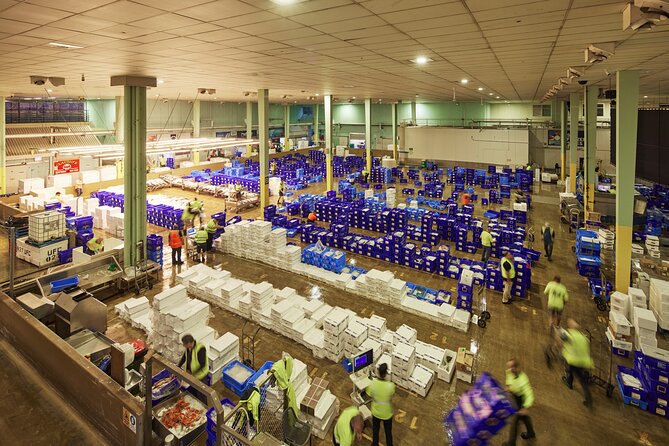
- A Dutch auction sells more than 50 tonnes of seafood to over 150 buyers.
- More than 100 species appear in the famous blue crates, including familiar fish and unusual Australian seafood.
- Live demonstrations include tuna filleting, oyster shucking, sushi preparation, and lobster handling.
- Safety footwear and hi-vis jackets are provided for the auction floor.
- The 5:50am check-in matters, so plan your transport before booking.
Why the Sydney Fish Market is worth seeing before breakfast
A seafood market can look simple from the customer side: choose a fish, pay for it, and take it home. The behind-the-scenes tour shows you the chain of work that comes first. You see the market as a trade centre, not just a place to buy lunch.
The most valuable part is the auction floor. This is where seafood moves from landing and inspection toward restaurants, retailers, and other buyers. The scale is easy to miss from the public arcade, but the numbers tell the story: more than 50 tonnes of seafood can pass through the Dutch auction, with more than 150 buyers involved.
I like tours that explain a working place without turning it into a staged show. This one stays close to the market’s real purpose. You watch sales activity, seafood checks, preparation, and handling while the guide explains what is happening around you.
The timing shapes the whole experience. You are there at 5:50am for check-in, not strolling in after a leisurely hotel breakfast. That early hour is a cost in sleep, but it is also what lets you see the market during its most important period of the day.
More Fish Market mornings:
- Sydney Fish Market Discovery Tour
★ 4.2 · 10 reviews - Sydney Fish Market Behind the Scenes Tour
★ 5.0 · 9 reviews - Sydney Harbour & Fish Market Sightseeing Cruise
★ 4.5 · 4 reviews
Meeting your guide at 1 Bridge Road
The meeting point is the LG Information Hub at Sydney Fish Market, 1 Bridge Road, Glebe. It is on the ground level of the building on the side closest to the city.
The directions supplied for the meeting area also refer to the SFM foyer on Level 1 of the main arcade. If you are following those directions, enter through the glass doors to the left of the arcade entrance, then use the stairs or lift to Level 1 and wait on the black couches. Because the information gives both the LG Information Hub and the Level 1 foyer, allow a little extra time to find the correct check-in point.
Arrive by 5:50am. This is the single most useful planning detail in the whole experience. At that hour, you do not want to be searching for the entrance, wondering which building side is closest to the city, or trying to solve transport at the last minute.
The tour is in English and is limited to 10 participants. That size suits the setting. The market floor is a working area, and a small group is easier to manage than a large crowd. It also gives you a better chance to hear explanations about the auction and seafood preparation.
Stepping onto the auction floor
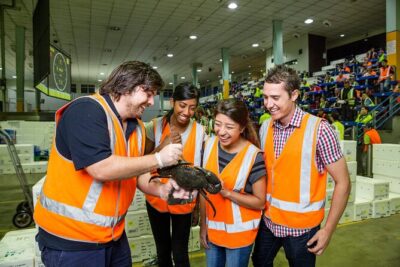
Before entering the working area, you receive safety footwear. Hi-vis jackets have also been provided on this tour, according to the experience details and guide feedback. Wear comfortable shoes and bring socks, since socks are specifically recommended for comfort with the supplied footwear.
Open-toed shoes and high heels are not allowed. Hats, smoking, and littering are also prohibited. These rules make sense in a food-handling and work environment, but it is worth checking your clothing before leaving your accommodation.
The floor is normally closed to the public, which gives this visit its main advantage over a standard market stop. From the public side, you can see seafood for sale and watch customers choose their meals. Behind the scenes, you see the wholesale operation and the pace required to move large amounts of fresh product.
You will not simply be looking at rows of fish. The point is to understand how the market functions. Your guide explains the auction system, quality checks, and the route seafood takes before it reaches a plate. Mark, an experienced fisherman who has guided this experience, has been singled out for making those parts easy to follow.
Because the floor is active, keep your attention on the guide and your surroundings. The information says wheelchairs and prams cannot go onto the auction floor. That restriction is important for anyone who needs mobility equipment, and it also reflects the limited space and working conditions in the area.
How the Dutch auction works
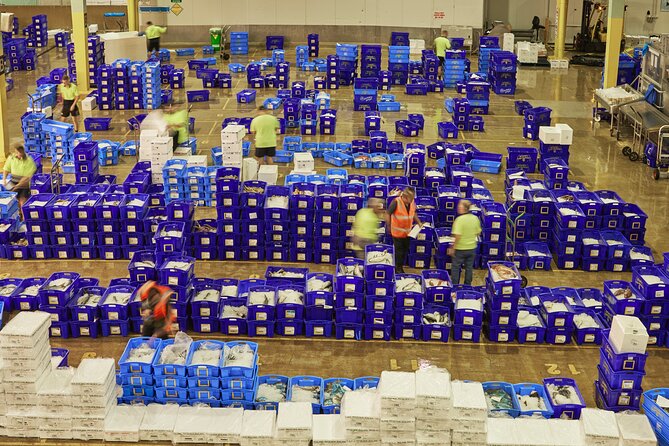
The Dutch auction is the clearest reason to choose this tour instead of simply visiting the market arcade. You see the system in action rather than hearing a short explanation from a display or brochure.
In a Dutch auction, the price starts high and moves downward until a buyer accepts it. The system is designed for speed, which matters when large quantities of fresh seafood are being sold to a large group of professional buyers.
Here, the scale is substantial. More than 50 tonnes of seafood are sold through the auction, and more than 150 buyers take part. You get a better sense of the market as a supply system: products must be checked, priced, sold, and moved efficiently.
The auction also shows why quality matters. The guide explains the checks carried out before seafood reaches buyers. That information gives the market’s activity a useful context. You are not just watching prices move. You are seeing how freshness, species, size, and condition affect the value of seafood.
The tour does not promise that every auction moment will look identical. This is a working market rather than a performance arranged around a visitor schedule. That is part of the appeal, but it also means you should come ready to listen and observe rather than expect a theatrical presentation.
A few more Sydney half-days to weigh up
- Sydney: Opera House Guided Tour with Entrance Ticket
★ 4.8 · 8,312 reviews - All Inclusive Blue Mountain,Scenic World,Lunch,Koalas,ferry
★ 5.0 · 7,832 reviews - From Sydney: Blue Mountains Full-Day Trip
★ 4.5 · 4,471 reviews - Sydney Opera House Official Guided Walking Tour
★ 4.5 · 3,770 reviews
More than 100 species in the blue crates
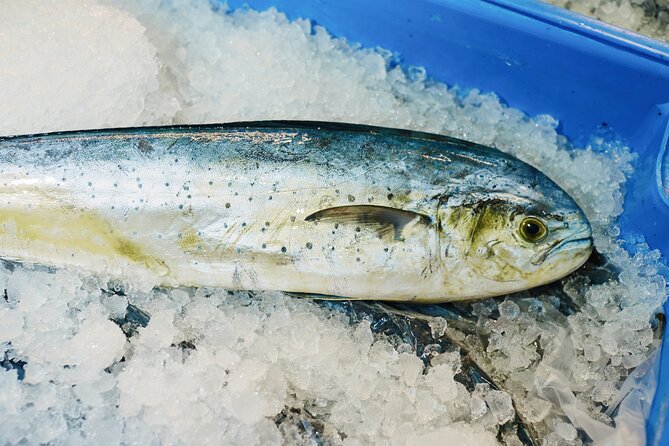
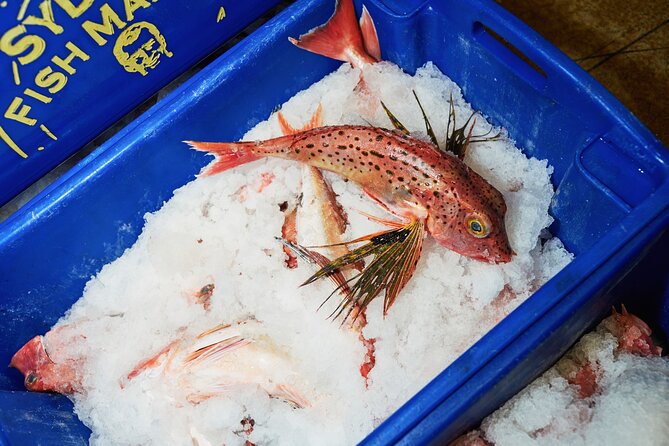
The blue crates are one of the market’s most recognizable sights. They hold more than 100 seafood species, ranging from familiar favourites to unusual and unfamiliar varieties.
This is where the tour can change your understanding of Australian seafood. You might recognize popular fish, but the market also handles species you have probably never seen before. The guide helps explain the difference between the everyday choices and the weird and wonderful examples.
That variety has real value for curious eaters. If you are interested in food, fishing, or the way regional products reach restaurants, the species display gives you plenty to think about. You begin to see seafood as a wide category rather than a short menu of familiar names.
The tour is especially useful if you normally visit fish markets only to eat. You can still enjoy the public arcade separately, but the guided visit shows what happens before a cooked dish reaches the counter. It adds the working knowledge that a casual meal cannot provide.
I would not book this solely for a tasting experience. Food and drinks are not included, and the tour is focused on the market operation. If you want to eat seafood on the same morning, treat that as a separate plan.
Tuna filleting and live seafood preparation
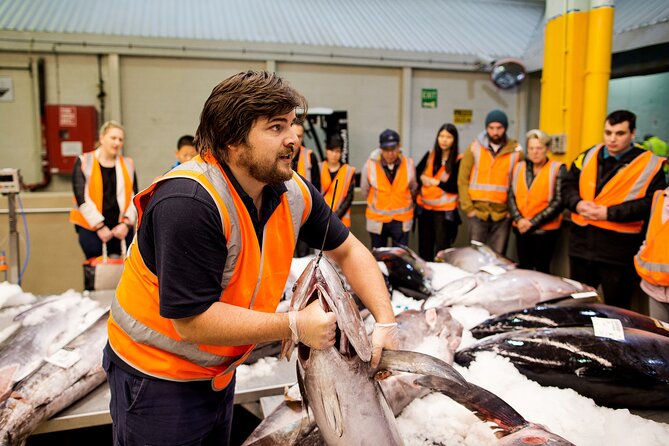
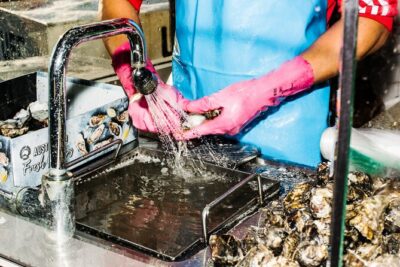
The demonstrations bring the process close to eye level. Tuna filleting shows the skill and precision needed to prepare a large, valuable fish. It is a practical demonstration, not just a description of what happens behind a counter.
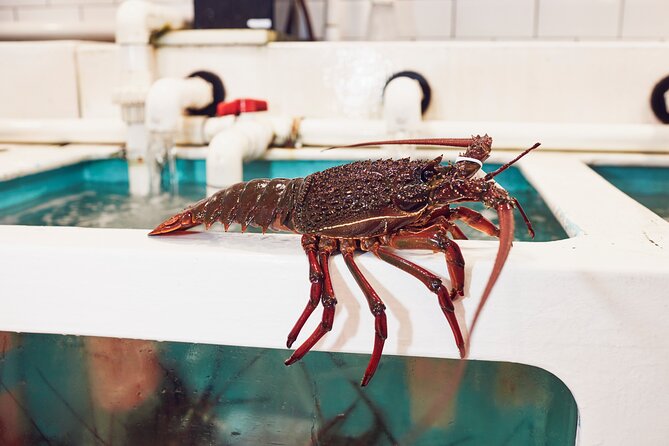
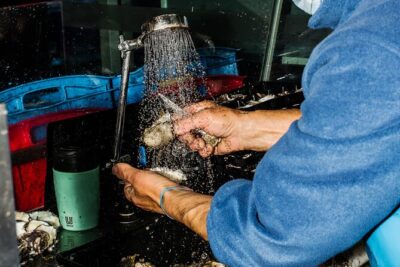
You also see live lobsters, sushi preparation, and oyster shucking. Each example shows a different form of handling. The lobster display gives you a look at live product, while sushi preparation and oyster shucking show the care involved in turning seafood into something ready for service.
These demonstrations are particularly helpful if you like food but do not know much about preparation. The guide can connect what you see to the auction, the quality checks, and the final journey to the customer.
The subject matter may not suit everyone. This is a working seafood market, so the experience is better for people comfortable seeing live animals and the preparation of fish. The activity information does not describe the demonstrations as optional, so book with that in mind.
What makes the guides useful
The best guide for this kind of tour needs to explain both the people side and the product side. The guide feedback points to Mark, an experienced fisherman, as someone who covers the auction system and quality checks in a clear way. Mike has also led the experience and is noted for sharing many interesting facts.
Guide assignments can change, so you should not assume one particular person will lead your departure. Still, the presence of guides with fishing and market knowledge is important. A basic walk through the building would show you seafood. A guide who understands the industry can explain why the market works as it does.
The small group helps here. With 10 or fewer people, you can usually stay close enough to follow a demonstration and ask a question without competing with a large crowd. That is a better format for technical subjects such as auction pricing and seafood grading.
The tour is English-language only. If you need another language, this experience may not be a good fit.
Is the $56 price good value?
At $56 per person, the price is reasonable if you want access and explanation rather than a meal. The tour lasts two hours, includes a guided visit to the market, supplies safety footwear for the auction floor, and includes live preparation demonstrations.
You are paying for entry into an area normally closed to the public and for a guide who explains the working system. The Dutch auction alone gives the visit a focus that a self-guided market stop cannot match.
The value is strongest for food-focused visitors, people interested in fishing and trade, and anyone who likes seeing how a familiar product reaches the public. It is less compelling if your main goal is to eat seafood, sleep late, or browse at your own pace.
Food, drinks, and transport are not included. Add those costs when planning your morning. The market is at 1 Bridge Road, Glebe, but the tour does not provide transportation to or from the site.
Free cancellation is available up to 24 hours before the activity, and you can reserve now and pay later. Those terms help if your Sydney plans are still changing, but the early meeting time still requires firm planning on the day.
A historic market visit with a time limit
The existing Sydney Fish Market is expected to be demolished soon to make way for a new one. That makes this tour more than a look at seafood logistics. It may also be your chance to see the current building’s working areas before the market changes.
The exact timing of that change can shift, so do not treat the phrase soon as a guaranteed closing date. Still, if you are visiting Sydney while the present market is operating, the behind-the-scenes access has added value.
You see a functioning place with its own routines, not a museum set. That can mean noise, early hours, restrictions, and practical footwear. It also means the visit connects you with a real part of Sydney’s food trade.
Who should book this tour?
I would recommend it to adults and children aged 10 or older who are interested in seafood, food production, fishing, or working markets. It is a strong choice for photographers and food enthusiasts in spirit, although the provided information does not specify photography rules, so ask the guide before taking pictures.
It also suits repeat visitors to Sydney who have already seen the public market and want a more focused experience. The auction floor, quality checks, and demonstrations give you a reason to return.
I would be cautious about booking if you dislike early mornings, cannot wear enclosed shoes, need a wheelchair or pram on the auction floor, or want a relaxed food tasting. The tour is active, practical, and time-specific.
Practical planning for the 5:50am start
Set out your clothes the night before. Wear comfortable closed shoes, bring socks, and pack a jacket. The jacket matters because the activity information specifically recommends bringing one, and an early market visit may feel cool.
Plan how you will reach 1 Bridge Road before booking. Transportation is not included, and the arrival time is early enough that you should not rely on finding your way at the last moment.
Keep your group small and ready to move. You will receive safety footwear and may use a hi-vis jacket, but you still need suitable clothing and attention on the auction floor.
If you are booking for a family, remember the minimum age is 10. If anyone in the group uses a wheelchair or needs a pram, the auction floor is not accessible to them.
Should you book the Sydney Fish Market tour?
Book it if you want to understand the business behind Sydney’s seafood and are willing to start before dawn. The auction floor access, the Dutch auction, and the range of more than 100 species give the experience a clear purpose, while the tuna, lobster, sushi, and oyster demonstrations keep it grounded in real food preparation.
Skip it if you want a late-morning market wander or a tour that includes food and drinks. For the right person, $56 buys a useful look at a working Sydney institution, and the expected change to the market makes the timing worth considering.
FAQ
How long does the Sydney Fish Market Behind the Scenes Tour last?
The guided tour lasts two hours.
What time should I arrive?
You should arrive by 5:50am for check-in.
Where is the meeting point?
The meeting point is the LG Information Hub at Sydney Fish Market, 1 Bridge Road, Glebe, on the ground level on the side closest to the city. Directions also refer to the Level 1 SFM foyer, reached through the glass doors to the left of the arcade entrance.
Is food included in the tour price?
No. Food and drinks are not included.
What should I wear?
Wear comfortable shoes and socks, and bring a jacket. High heels and open-toed shoes are not allowed. Safety footwear is provided for the auction floor.
Is the tour suitable for children and wheelchair users?
The tour is not suitable for children under 10. Wheelchairs and prams are not allowed on the auction floor.
Just added around Sydney
- Sydney Eye Tower Admission Ticket★ 3.5 · 3 reviews
- Guided Snorkel Tour at Australias most iconic beach★ 5.0 · 3 reviews
- Uncover the Magic Gin Distillery Adventure at Millsheds Bowral★ 4.5 · 3 reviews
- Honey Farm Tour. Morning Tea. Guided Tasting★ 5.0 · 3 reviews
- Sydney Beaches Half Day Drive and Walk Tour★ 5.0 · 3 reviews
- Sunrise & Surf Beach Lifestyle Photoshoot★ 5.0 · 3 reviews
- Small Group Tour Sydney City Highlights and Hidden Gems★ 5.0 · 3 reviews
- Tour from Eden to Merimbula Wetlands Wildlife and Coastline★ 5.0 · 3 reviews
Sydney Fish Market Tours, compared.
Browse the lists this tour appears in